


In Metro Vancouver, signs and graphics are often the first touchpoint between your business and your customers
Whether that’s a storefront in a busy mall, a corporate office in Burnaby, or a retail unit in Richmond.
But getting signage right isn’t always simple. From bylaw approvals to landlord restrictions, many businesses face costly setbacks because of avoidable mistakes.
Here are 7 of the most common pitfalls we see—and how to sidestep them.
1. Skipping Landlord Approvals
If your business is inside a shopping mall, office complex, or multi-tenant building, your landlord likely has strict signage guidelines. Installing graphics without approval can lead to removals, fines, or even lease issues.
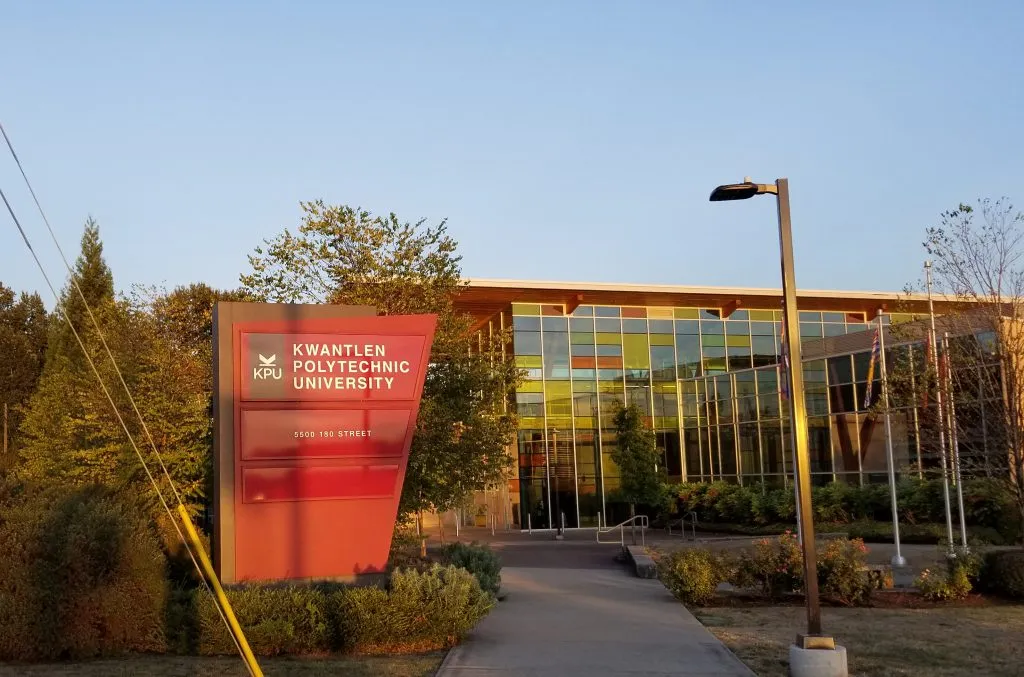
Solution: Always submit your design to the landlord or property manager first. A signage partner familiar with institutional and cultural projects like KPU’s Traditional Chinese Medicine Clinic can help ensure your graphics align with landlord expectations.
2. Ignoring City Bylaws
Even after landlord approval, your sign may still need a municipal permit. Each city—Vancouver, Surrey, Burnaby, Coquitlam, Richmond—has its own signage bylaws. Missing this step can delay your opening.
Solution: Check both landlord and city requirements before production begins. For example, see our breakdown of the Burnaby Sign Bylaw 2025 to understand how municipalities set unique rules for signage.
3. Wrong Scale for the Environment
What looks right in a design file might feel too small in a busy mall concourse, or too large for a compact storefront.
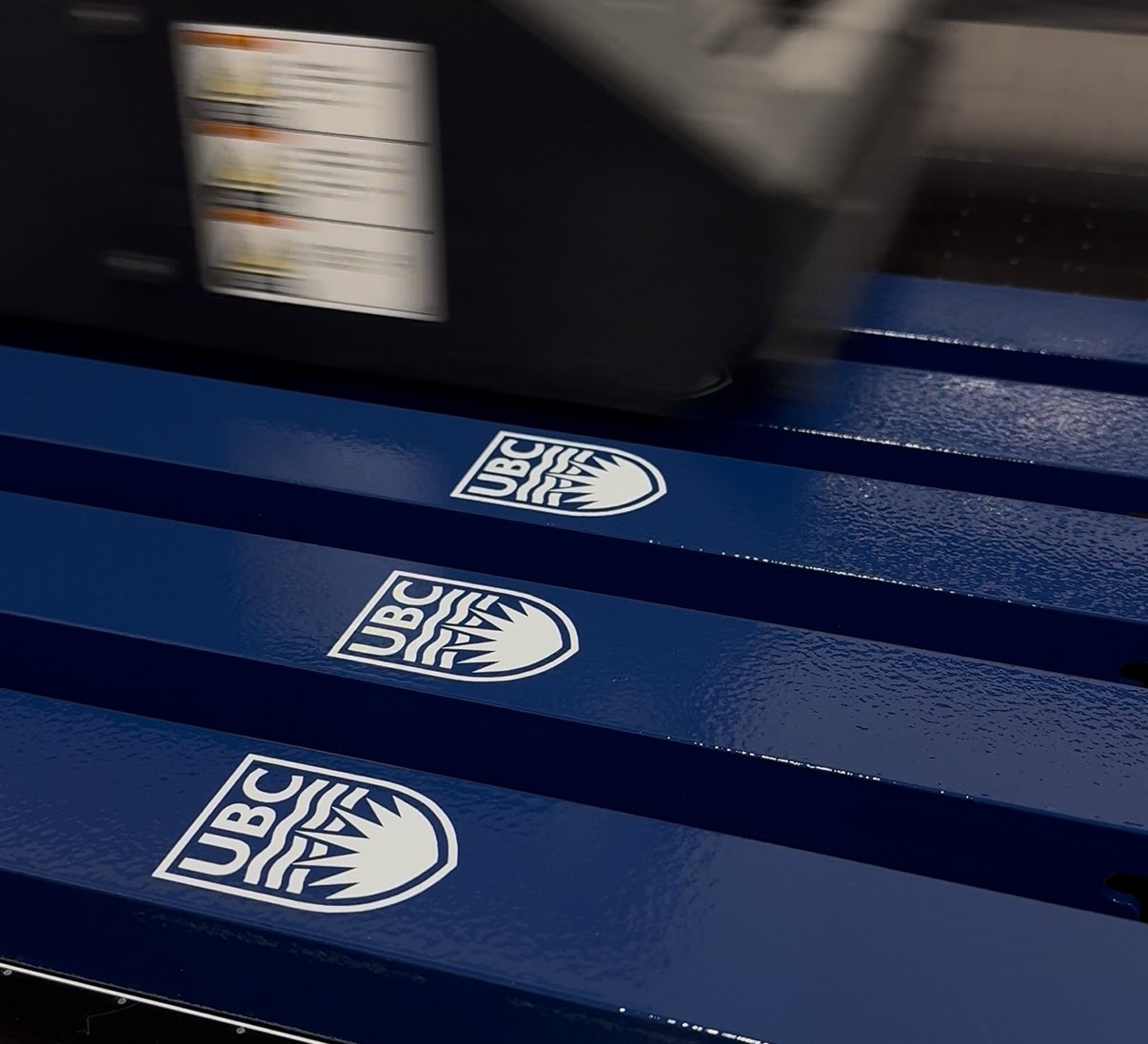
Solution: Consider foot traffic, sightlines, and surrounding signage when determining size and placement. Our UBC wayfinding project is a strong example of getting scale right across a large and complex environment.
4. Using the Wrong Materials
Metro Vancouver weather is harsh on exterior signs, while mall graphics may need removable or non-damaging adhesives. Choosing the wrong materials can result in fading, peeling, or damage to landlord property.

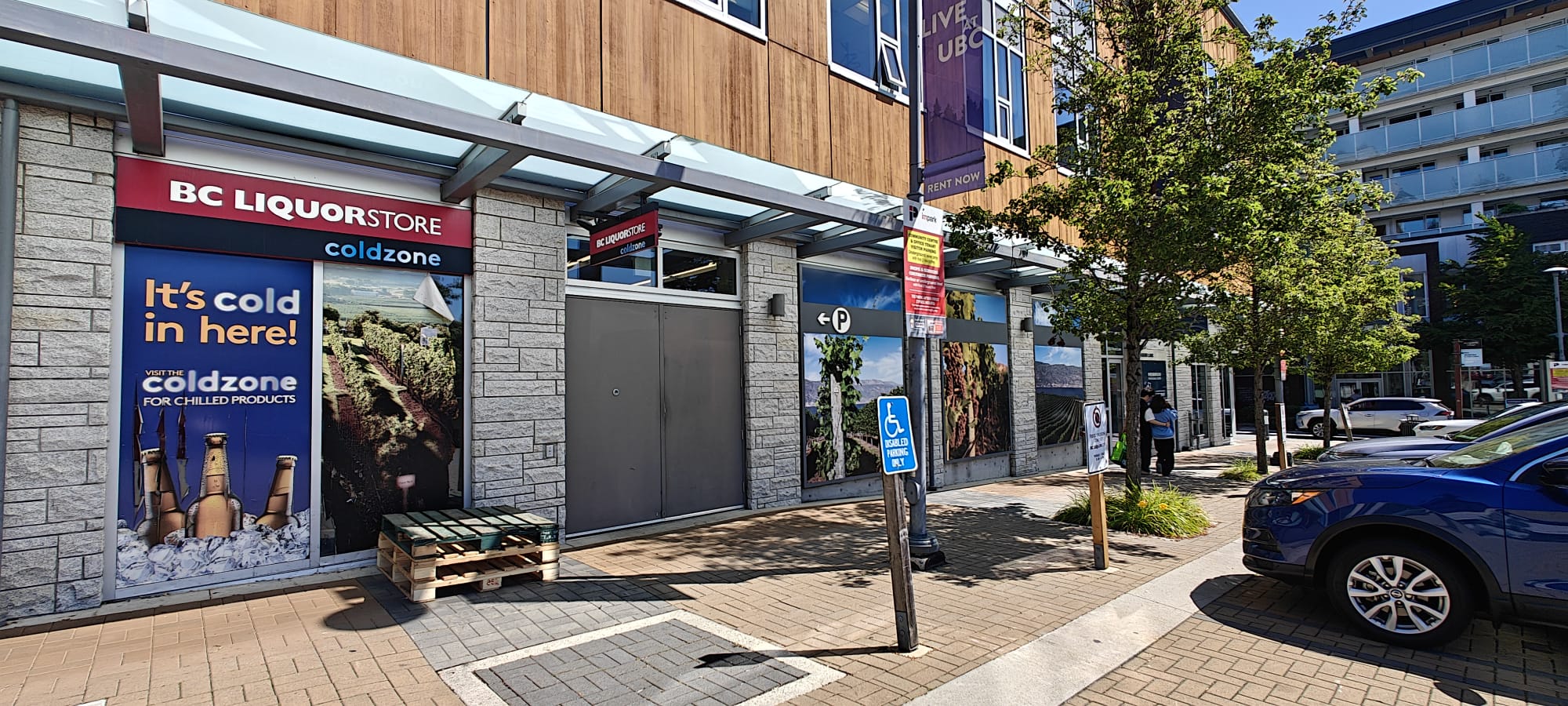
Solution: Use weatherproof materials outside, and landlord-approved films or substrates inside. Our BC Liquor retail graphics rollout shows how selecting the right finishes and substrates ensures consistency and durability across multiple locations.
5. Overloading the Design
Too much text, clashing colors, or busy layouts confuse customers. In high-traffic malls or street environments, you only have seconds to catch attention.
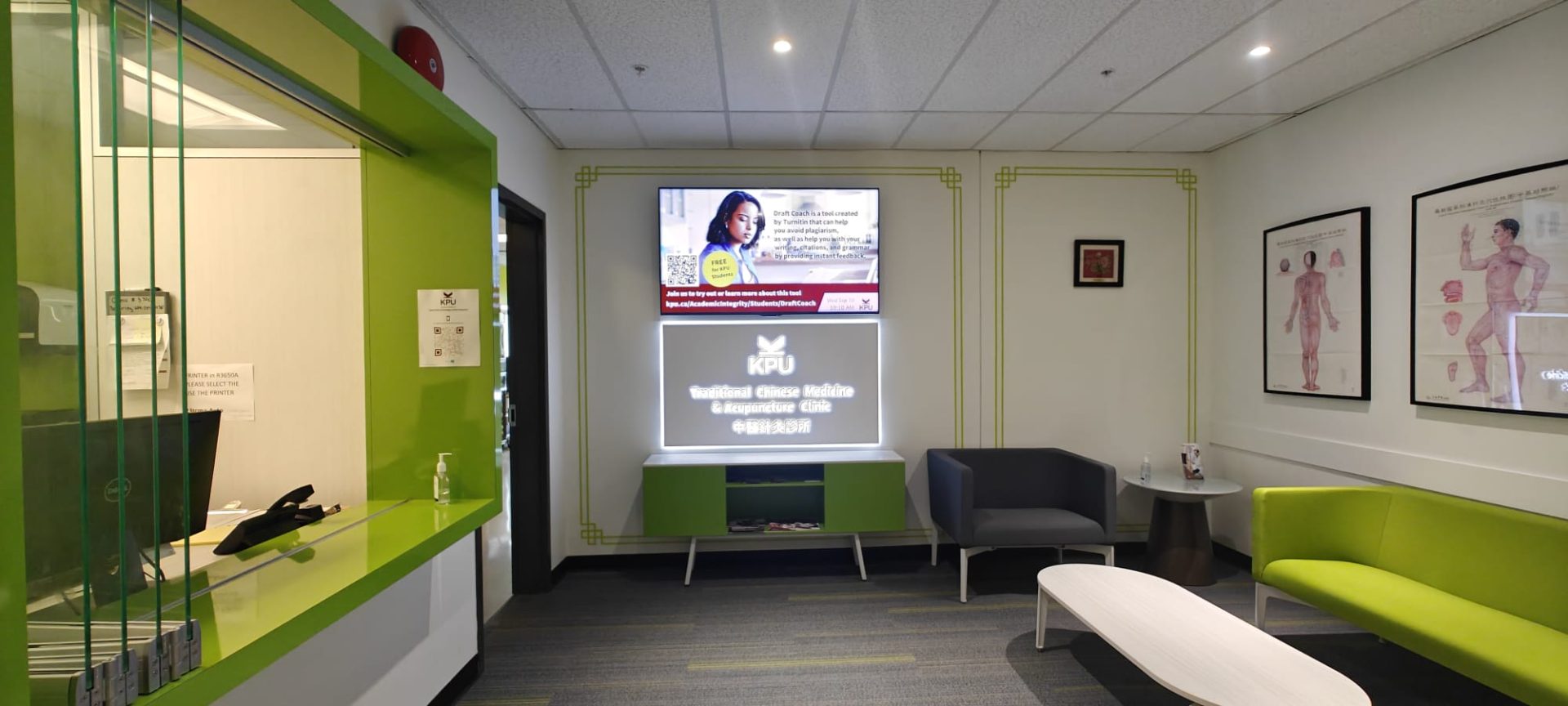
Solution: Keep it clean. Prioritize branding, a clear message, and strong typography. The KPU clinic project demonstrates how simplicity and cultural alignment can create impact without overwhelming the viewer.
6. Forgetting Illumination & Visibility
A great design is wasted if it’s hidden in shadows or blends into the background. Poor visibility is one of the most common complaints we hear from mall tenants.

Solution: Use strategic lighting, contrast, and finishes that make your signs and graphics stand out. See our Vancouver signage bylaw guide to understand how visibility and compliance go hand-in-hand.
7. Not Thinking Beyond the Sign
Your signage shouldn’t just mark your location—it should guide, inform, and enhance the customer experience. Missing directional graphics or window visuals can leave visitors confused.
Solution: Think holistically. Combine exterior signage with interior graphics and wayfinding elements for a complete branded experience. Our corporate event backdrop projects highlight how businesses extend their brand presence beyond traditional signage into experiential environments.
Conclusion
For Metro Vancouver businesses, signage and graphics are more than decoration—they’re essential tools for visibility, compliance, and customer experience. But without considering landlord rules, municipal bylaws, and smart design, businesses often run into costly mistakes.
At Can-Design, we’ve helped retailers, offices, and developers across Metro Vancouver bring their signage and graphics to life—while avoiding these common pitfalls.
???? Explore our signage & graphics projects