


Navigating a large campus can be daunting. The University of British Columbia (UBC) in Vancouver welcomes over 60,000 students, staff, and visitors every day across a sprawling campus. With dozens of faculties, research facilities, and residential areas, clear and accessible signage is essential.
This blog looks at how Can-Design helped UBC realize its campus-wide wayfinding system while delivering signage that improves navigation, reinforces the university’s brand identity, and meets accessibility standards. We’ll also highlight lessons that businesses and institutions across Metro Vancouver can take from UBC’s approach to wayfinding

Why Wayfinding Signage Matters for Large Campuses
Wayfinding is more than just putting up signs. For large environments like universities, hospitals, or shopping centers, it’s about creating a navigation system that helps people understand where they are, where they want to go, and how to get there efficiently.

At UBC, challenges include:
- -Multiple entrances across a large property
- -A mix of academic, residential, and recreational facilities
- -International visitors arriving for the first time
- -Vancouver’s variable weather, which affects visibility
How UBC Approaches Campus Wayfinding
UBC’s signage system demonstrates how thoughtful planning and professional execution solve these challenges:
- Strategic Placement
• Directional pylons and markers are located at high-traffic intersections and decision points. - Consistency Across Campus
• All signs follow a unified design language — typography, colors, and logos are consistent. - Accessibility Standards
• Clear fonts, strong contrast, and appropriate sizing support visibility for everyone. - Durable Materials
- • Reflective, weather-resistant finishes ensure longevity in Vancouver’s climate.
Designing for Accessibility and Vancouver’s Climate
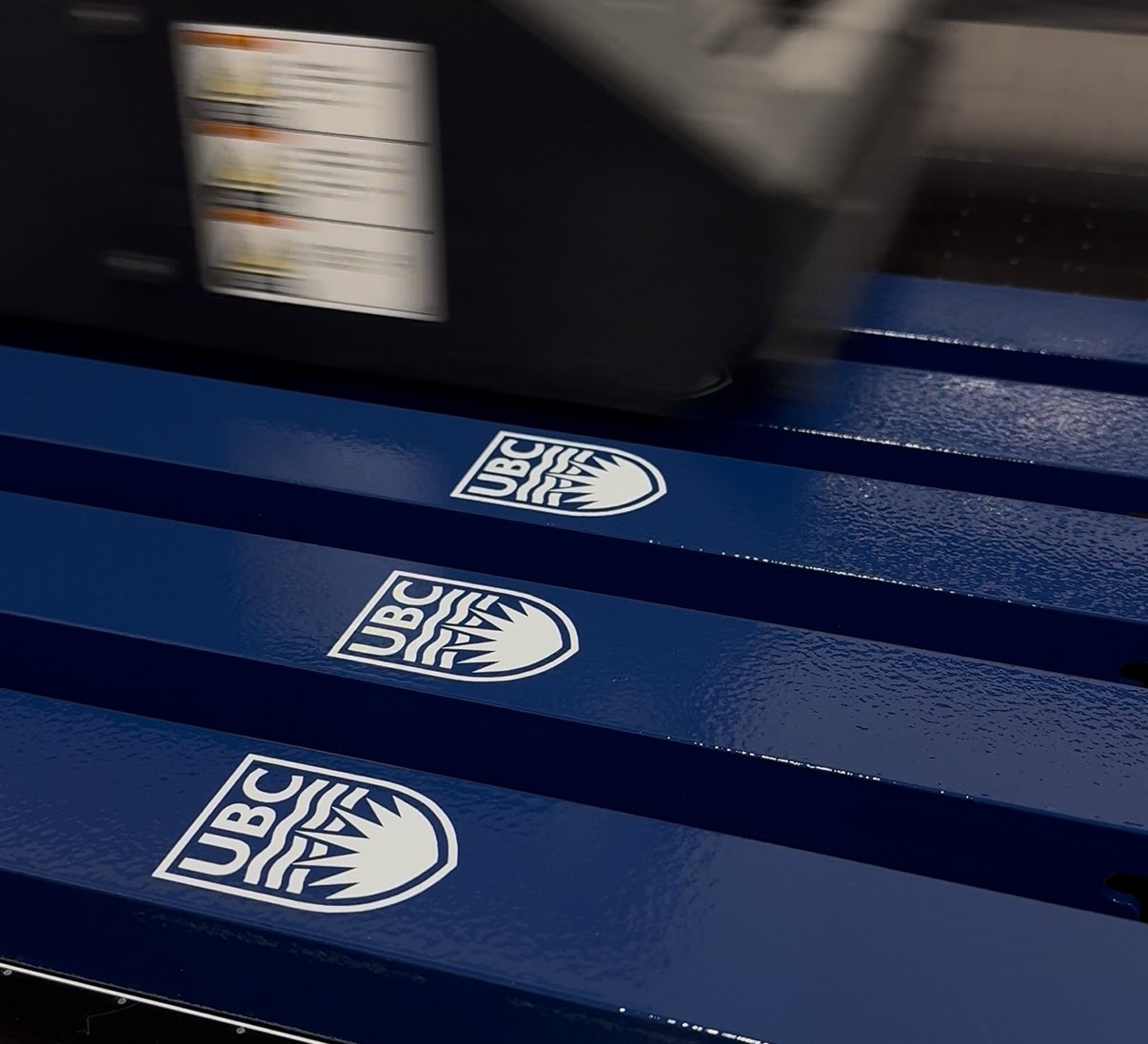
Accessibility is not optional. It’s required. UBC’s signage follows best practices for legibility, ensuring all users can navigate independently.
Key considerations include:
- High Contrast: Light text on dark backgrounds (or vice versa).
- Clear Typography: Sans-serif fonts visible at a distance.
- Reflective Finishes: Materials that perform in dim winter light.
- Durability: Fade-resistant materials that handle rain and sun.
These principles apply to any institution in Metro Vancouver, where climate and accessibility must guide design decisions.
Why Consistency in Signage Builds Trust

Signage is part of an institution’s brand identity. At UBC, every directional marker, pylon, and building identifier aligns with the university’s brand standards.
Consistency builds:
- • Familiarity for repeat visitors
- • Professional credibility
- • A cohesive visual experience across the property
- • Fragmented signage signals disorganization, while consistent signage communicates trust and order.
Observed Benefits of UBC’s Wayfinding System

While UBC measures its own outcomes, several benefits are clear:
- Simplified Navigation: Visitors reach destinations faster.
- Improved Visitor Experience: Reduced frustration for first-time guests.
- Enhanced Accessibility: Inclusive design reduces barriers.
- Stronger Branding: Every sign reinforces UBC’s identity.
Lessons for Metro Vancouver Institutions

The lessons from UBC apply far beyond universities:
- Retail & Shopping Centers – Directional signage smooths customer flow, boosting sales.
- Healthcare Facilities – Clear signage reduces patient stress and improves satisfaction.
- Corporate Campuses – Consistent branding improves first impressions.
- Real Estate Presentation Centres – Signage guides visitors while reinforcing brand identity.
Practical Tips for Wayfinding Signage in Vancouver
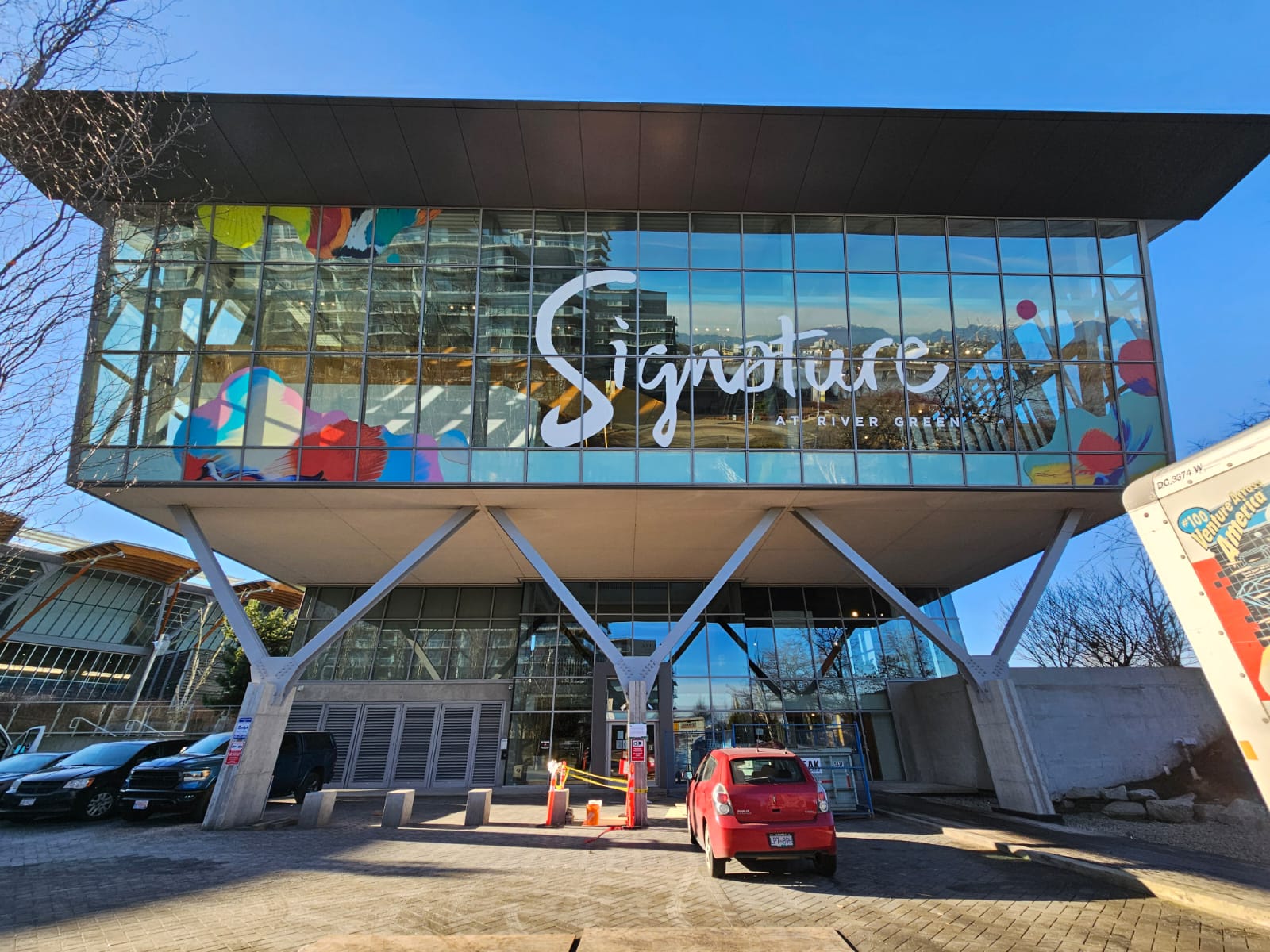
From our experience at Can-Design and insights from projects like UBC, here are best practices:
- •Plan signage around user flow, not just entrances.
- •Partner with experts who understand Metro Vancouver bylaws.
- •Prioritize accessibility in every design decision.
- •Invest in durable, weather-resistant materials.
- •Ensure branding is consistent across all touchpoints.
???? Supporting Data: Why Good Signage Matters

Consistent branding across signage can increase brand recognition by up to 80%. These numbers prove that signage is not just decoration — it directly impacts customer perception and usability.
❓ Frequently Asked Questions
Do you need permits for campus signage in Vancouver?
Yes. Municipal bylaws often regulate size, placement, and materials. Working with a partner ensures compliance.
What types of wayfinding signs are used on campuses?
Pylons, building identifiers, wall-mounted signs, digital kiosks, and map boards are most common.
How long does professional signage last?
With durable materials, outdoor signage in Vancouver can last 7–10 years before requiring replacement.
Can signage improve safety?
Yes. Clear directional signage reduces crowding, confusion, and emergency response times.
✅ Quick Checklist for Institutions
Before starting a wayfinding project, consider:
- ☐ Have you mapped high-traffic areas and decision points?
- ☐ Are accessibility standards built into your design?
- ☐ Do your signs comply with Vancouver municipal bylaws?
- ☐ Are materials chosen for local climate durability?
- ☐ Does the design align with your brand identity?
Clear Signage Creates Lasting Impressions
UBC’s wayfinding system shows how clear, consistent signage transforms a complex campus into a welcoming space. For Metro Vancouver businesses and institutions, the takeaway is simple: signage is a strategic investment in accessibility, brand reputation, and user experience.
At Can-Design, we help organizations across the Lower Mainland design, manufacture, and install signage systems that balance form, function, and compliance.
???? Ready to improve navigation in your space?
Contact Can-Design today to start your project.