


In 2026, Burnaby has officially transcended its reputation as a “bedroom community” of Vancouver. It has become a global case study in transit-oriented development (TOD). With the final phases of The Amazing Brentwood reshaping the skyline, the vertical expansion of Metrotown creating a true downtown core, and the rapid revitalization of City of Lougheed, Burnaby is now a “city of centers.”
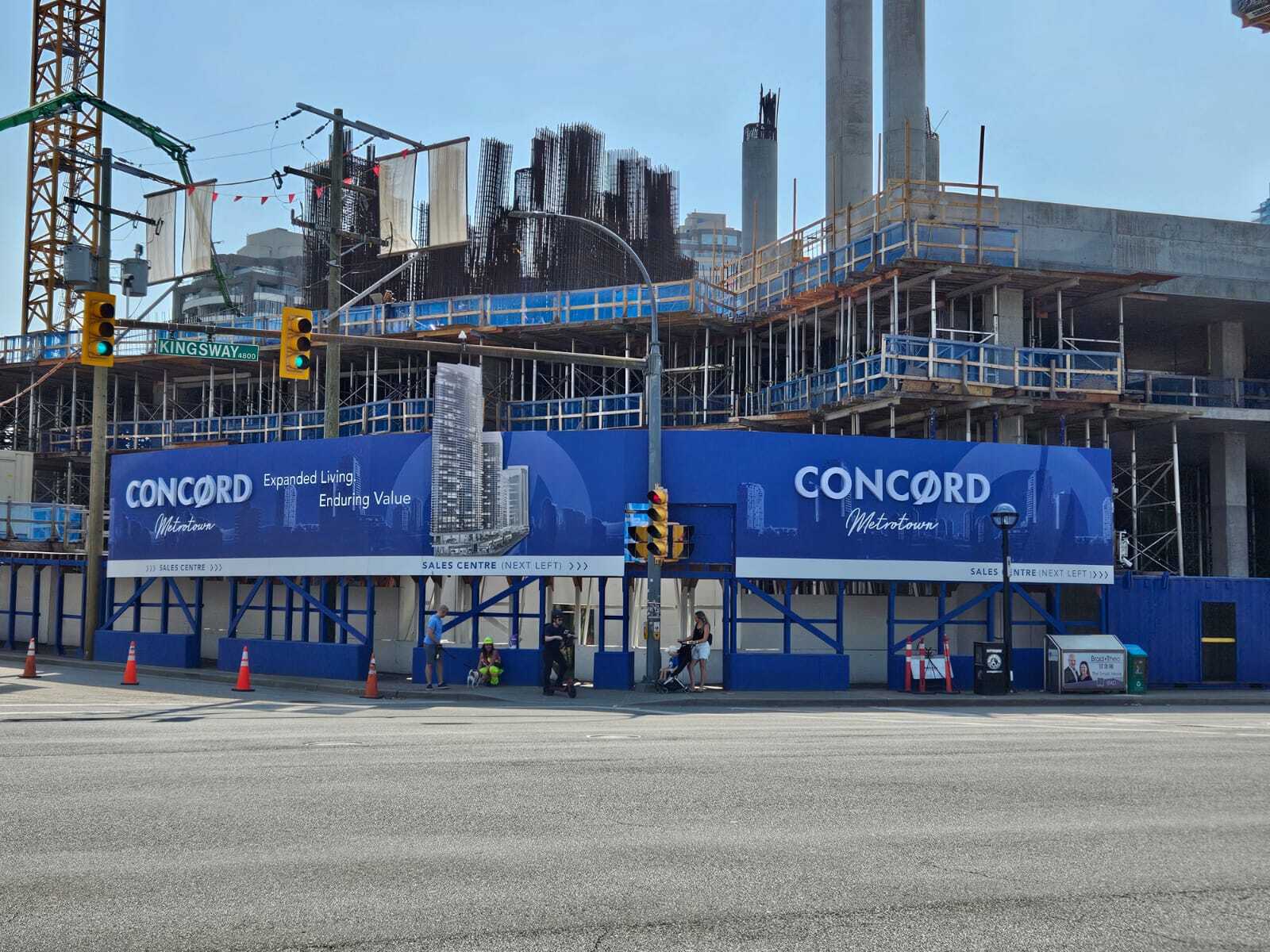
For local business owners, developers, and facility managers, this density creates a unique paradox: there are more potential customers within a five-block radius than ever before, but they are significantly harder to capture. In a skyline defined by 60-story towers and multi-level podiums, a traditional “shingle” sign is essentially invisible. To survive and thrive in 2026, Burnaby businesses must pivot toward integrated visual ecosystems.
This guide explores the intersection of high-impact signage, large-format graphics, and strategic wayfinding, while ensuring your brand remains compliant with the complex local permit landscape.
1. The “15-Minute City” and the Science of Wayfinding
The City of Burnaby’s move toward “15-minute neighborhoods” means that residents in Edmonds or The Heights are walking more and driving less. However, the architectural complexity of new mixed-use builds—where a single podium might house a grocery store, a daycare, three tech startups, and a gym—creates what we call “navigational friction.”
What is a Wayfinding Package in 2026?
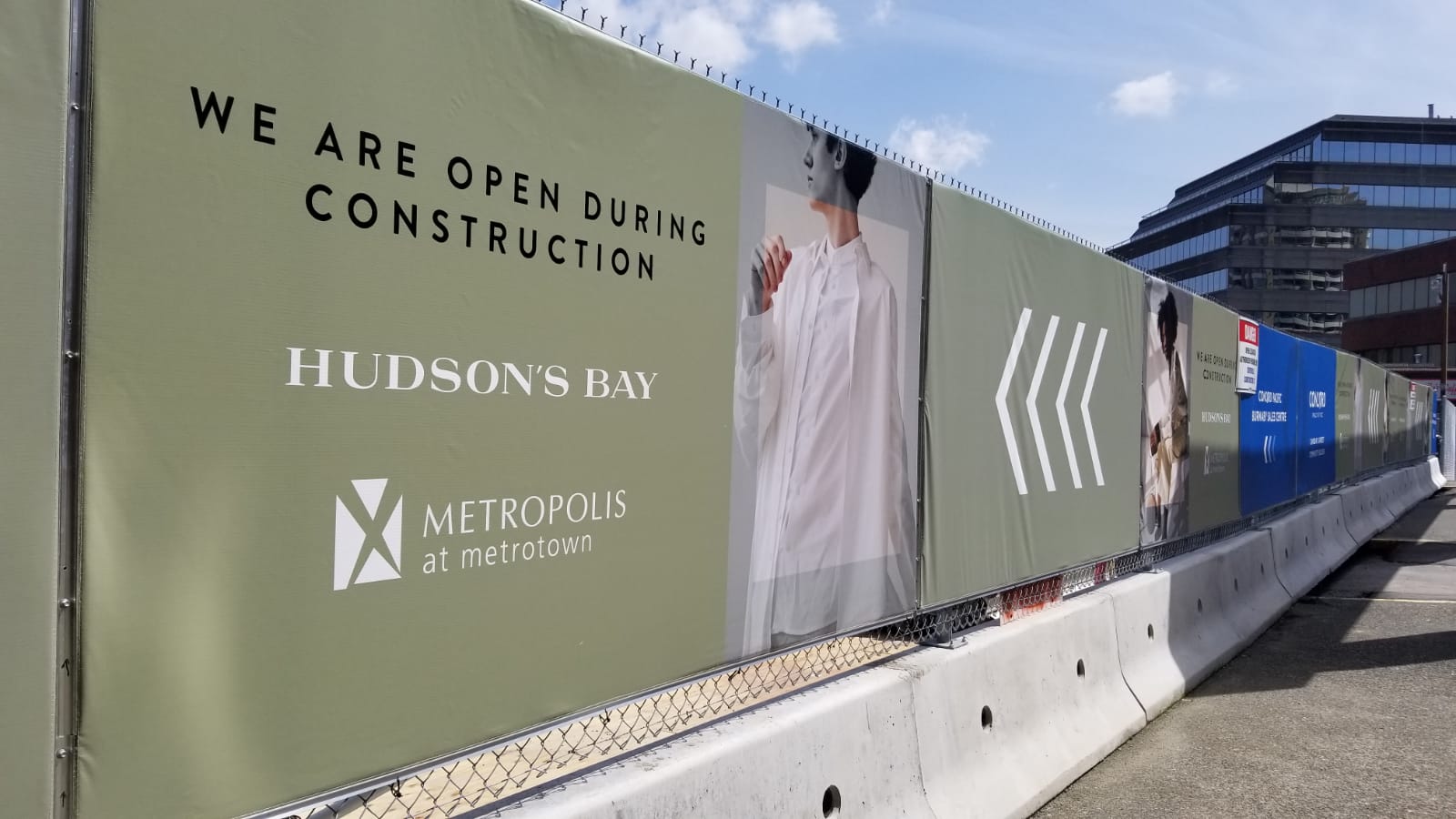
A signage strategy is no longer just about your logo. A 2026-standard wayfinding package is a tiered system of visual cues designed to reduce visitor anxiety and increase “dwell time.”
- Identification: Letting the customer know they’ve arrived at the right building from the street or SkyTrain.
- Directional: Guiding them through the “concrete canyons” of Brentwood or Metrotown’s underground parking and multi-level lobbies.
- Informational: Providing context, such as business hours or integrated QR codes for digital floor plans.
- Regulatory: Ensuring safety and ADA-compliant accessibility signage is seamlessly integrated into your brand aesthetic.
In 2026, Burnaby developers are realizing that poor navigation leads to “tenant churn.” If visitors can’t find a business, that business won’t renew its lease. This is why structural integration of signs is critical during the build phase. To understand how these graphics fit into the initial phases of construction, see our detailed analysis: The Burnaby Development Blueprint: Maximizing Site Value Through Strategic Visual Identity.
2. Large-Format Graphics as Architectural Assets
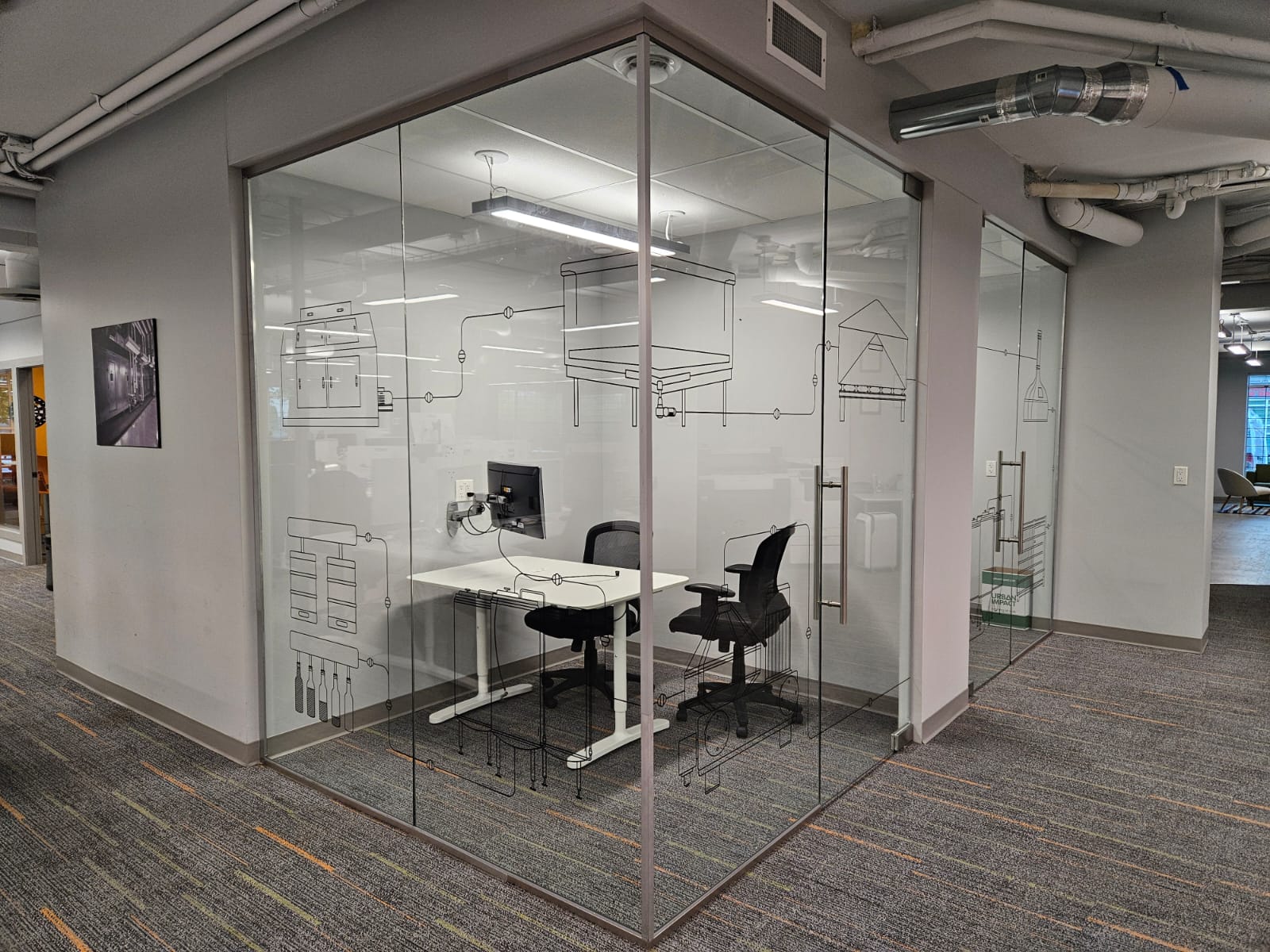
The era of the “blank beige wall” in Burnaby’s industrial parks and retail cores is over. Large-format graphics—specifically high-tack wall murals and floor graphics—have become the most cost-effective way to “brand” a space without a massive structural renovation.
Interior Brand Experience and Retention
Inside the office, the trend for 2026 is “Environmental Branding.” We are seeing Burnaby-based tech firms and financial services using floor-to-ceiling wraps to create immersive breakrooms and “collision zones.” This isn’t just about aesthetics; it’s about employee retention. In a competitive labor market, the physical environment matters.
For a comprehensive look at how these visual elements fit into the broader Metro Vancouver landscape, refer to: The Definitive Guide to Metro Vancouver Signage & Visual Graphics: 2026 Master Edition.
3. The Strategic Power of Window Film: The “Invisible” Retrofit
One of the most significant trends in Burnaby commercial real estate for 2026 is the dual-purpose use of window film. As the city pushes for aggressive carbon reduction in its building stock, the “glass box” towers of Metrotown face a major heating and cooling challenge.
Why Window Film is a 2026 Essential
- Energy Efficiency: Reducing solar heat gain is no longer optional for LEED-certified buildings in Burnaby. High-performance films can lower cooling costs by up to 30%.
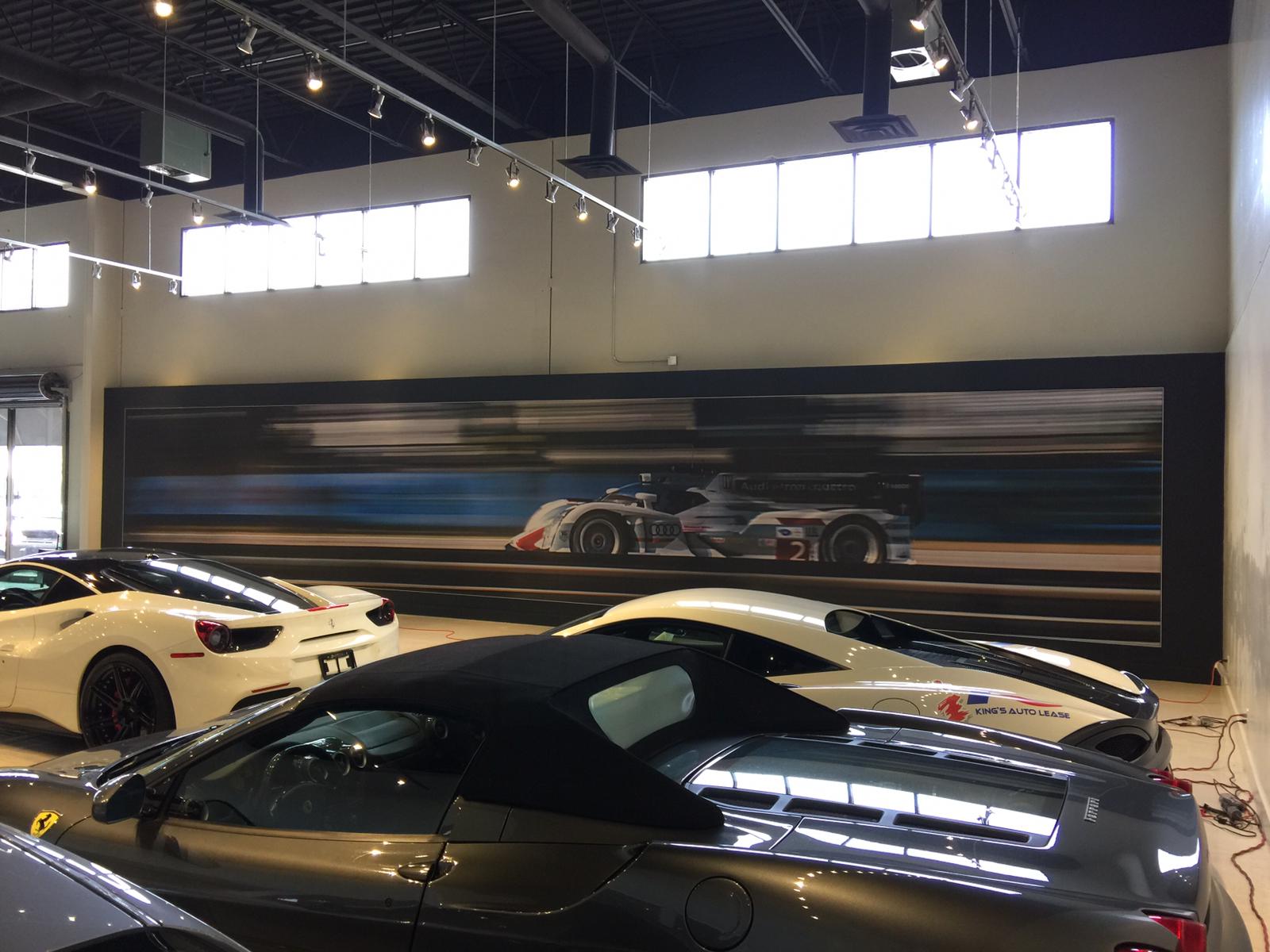
- Privacy in High-Density Zones: With residential towers looking directly into office windows, “frosted” or “dusted crystal” films provide privacy without sacrificing natural light. This is particularly popular for the professional services hub around Willingdon Avenue.
- Visual Branding: Perforated window films allow businesses to display massive advertisements on their glass while still allowing those inside to see out clearly.
This is a specialized field that bridges the gap between signage and building maintenance. We’ve dedicated an entire strategic deep-dive to this topic, which is essential reading for property managers: The Invisible Retrofit: Why Window Film is the Most Strategic Upgrade for Vancouver Commercial Assets in 2026.
4. Navigating Burnaby’s Sign Bylaws and Permits
You cannot talk about signage in Burnaby without talking about the Planning and Development Department. Burnaby has some of the most rigorous sign bylaws in British Columbia.
Common Permit Pitfalls in Burnaby
- Sign Area Calculations: Every zoning district (C1, C2, M1, etc.) has different ratios for how much of your storefront can be covered.
- Illumination Standards: Burnaby has strict rules about “nit levels” and color temperatures. If your sign is too bright and faces a residential tower in Metrotown, you will face complaints and potential fines.
- The “Sign Criteria” Document: Most new developments (like Station Square or Solo District) have a “Landlord Design Criteria” package. Your sign must be approved by the landlord before it even goes to the city.
In 2026, the city has digitized much of the permit process, but the technical requirements have actually become more complex. We handle the heavy lifting of the application process to ensure your brand goes up on time and stays up. To avoid the most common pitfalls, consult: The Business Owners Guide to Signage Permits in Metro Vancouver 2026.
5. District-Specific Visual Strategies
Burnaby is not a monolith. Each district has a distinct “visual language” that requires a different signage approach.
Metrotown: The “Times Square” of the North
In Metrotown, the scale is massive. Here, we recommend Dimensional Lettering and High-Lumen LED Displays. The goal is to compete with the sheer volume of visual noise. Wayfinding here must start at the SkyTrain platform level and continue through the complex’s internal arteries.
The Heights (North Burnaby): The Heritage Approach
In the North Burnaby “Heights” district along Hastings Street, the aesthetic is more “village-style.” Here, Blade Signs (signs that hang perpendicular to the building) are highly effective for capturing slow-moving pedestrian traffic. Large-format graphics here should focus on window displays that harmonize with the local small-business charm.
Brentwood: The Luxury Modernist Aesthetic
Brentwood is Burnaby’s fashion and luxury hub. Signage here requires premium materials—brushed gold, matte black finishes, and halo-lit letters. This is where “minimalist wayfinding” is key: clean lines, sans-serif fonts, and high-quality window films that suggest a high-end experience before the customer even enters.
6. Digital Integration: The “Smart Sign” Revolution
As we move through 2026, the line between physical and digital signage is blurring. Many Burnaby businesses are now requesting “Smart Wayfinding.”
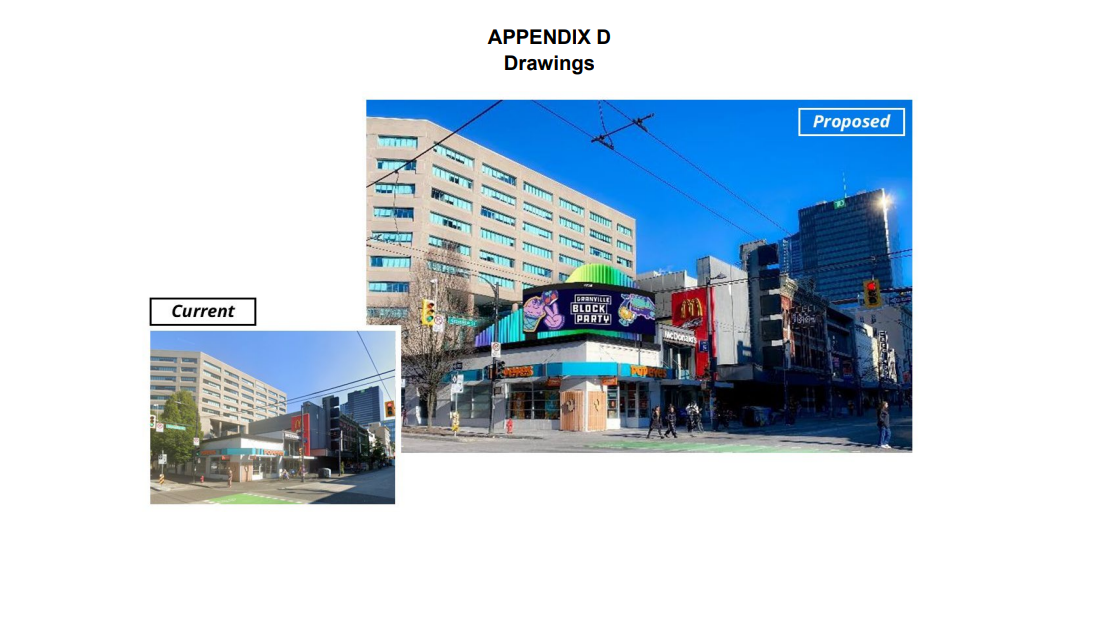
- Haptic & NFC Integration: Signs that allow users to tap their phones to receive a map of the building.
- Dynamic Directories: Digital screens housed in custom-fabricated monument signs that can update in real-time as tenants change.
- Augmented Reality (AR) Murals: Large-format graphics that come to life when viewed through a smartphone, a trend gaining massive traction in Burnaby’s “Culturama” events.
7. Sustainability and Materiality in 2026
Burnaby businesses are increasingly asking for “PVC-free” and sustainable options. At CAN-DESIGN, we have pivoted our 2026 inventory to include:
- Recyclable Substrates: Moving away from traditional foams to honeycomb-structured paperboards for temporary event signage.
- VOC-Free Inks: Ensuring indoor air quality for large murals in schools and healthcare facilities, such as the expanded Burnaby Hospital.
- LED Retrofitting: Replacing old neon or fluorescent lighting with energy-efficient LED modules that meet Burnaby’s 2026 energy codes.
8. Why Your 2026 Business Needs a Signage Audit
Most businesses wait until their sign breaks or they get a city notice to think about their visual presence. In the fast-moving 2026 economy, that is a mistake. A professional signage audit can identify:
- Navigational Gaps: Where are people getting lost?
- Brand Degradation: Is your vinyl peeling? Is your lighting flickering?
- Compliance Risks: Does your sign meet the updated 2026 bylaws?
Conclusion: Partnering with a Burnaby Expert
Burnaby is evolving at a breakneck pace. Whether you are a developer looking to maximize site value in a new Lougheed tower or a small business owner trying to stand out on Kingsway, your visual strategy is your most powerful offline marketing tool.
By combining the technical insights found in our Signage Permits Guide and our Development Blueprint, you can ensure that your physical presence in 2026 is as sophisticated as the city around you.
Don’t leave your first impression to chance. Ready to redefine your Burnaby presence?
[Contact CAN-DESIGN today] for a full wayfinding and signage consultation.