


If you are opening a new location in Metrotown, Brentwood, or Downtown Vancouver, you’ve likely realized that a sign isn’t just a piece of plastic or metal
It’s a whole legal ordeal.
Getting a signage permit in the Metro Vancouver area can be a bottleneck for business launches.
Each municipality has its own “flavour” of challenges.
What works in Richmond might be rejected in Burnaby.
This guide breaks down the general concepts you need to avoid fines and the value of doing it right the first time.
1. The “Permit or No Permit” Question
The Problem: Many owners assume a sign on their own building doesn’t need city permission.
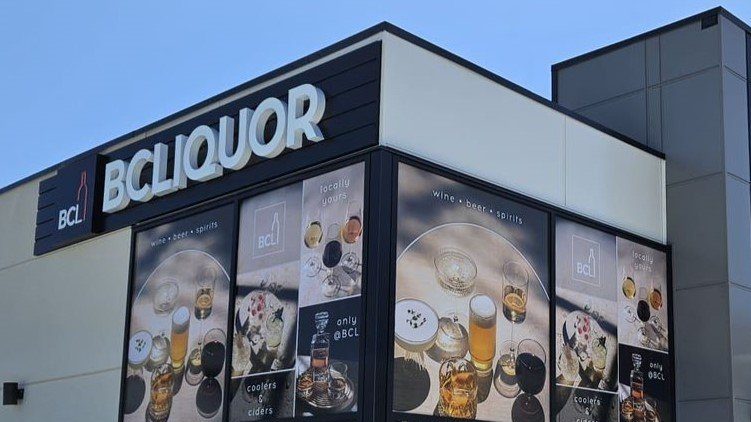
- The Advice: In Burnaby, almost any structure visible from the street to attract the public is defined as a “sign” and requires approval.
- However, small window decals (usually under 25–30% coverage) or non-illuminated directional signs may be exempt.
The Value: Confirming permit requirements before production saves you from the “Install and Remove” nightmare where the city orders you to take down a brand-new $5,000 sign.

2. Municipal Differences: Burnaby vs. Vancouver vs. Richmond
The Problem: One brand with three different sets of rules.
| Feature | Burnaby | Vancouver | Richmond |
| Submission | Hard copies often required; highly technical site plans. | Digital-first; 2026 focus on “Green” materials. | Emphasis on 50% English content and neighborhood harmony. |
| Master Sign Plans | Required for large developments (like The Amazing Brentwood). | Managed via specific “Sign Districts” (e.g., Gastown vs. Downtown). | Often tied directly to the Business Licence application. |
| Typical Timeline | 4–8 weeks depending on complexity. *estimate | 6–10 weeks (longer for electrical/structural). *estimate | 4–6 weeks for standard fascia signs. *estimate |
3. The Technical Submission Checklist
The Problem: Most permit delays happen because the “Application Package” is incomplete.
- The Advice: A successful application isn’t just a sketch. You need:
- Scaled Site Plans: Exactly where the sign sits on the property.
- Elevation Drawings: How the sign looks against the building’s “face.”
- Structural Specs: If it’s a projecting sign or freestanding, you may need a BC P.Eng (Professional Engineer) seal.
The Value: Providing a “submission-ready” package to the Planning Department on day one can shave weeks off your approval time.
4. Electrical & Safety Standards (2026 Update)
The Problem: In 2026, safety and energy efficiency are top priorities for Metro Vancouver inspectors.
- The Advice: If your sign has LEDs or neon, it requires a separate electrical permit. Ensure your sign is UL or CSA approved.
The Value: This protects your insurance. If a non-permitted sign causes a fire, your insurance claim could be denied.
The Can-Design Advantage: We Handle the Red Tape
At Can-Design, we don’t just print signs; we navigate these nuances for you.
From initial site surveys to securing the final package, we ensure your brand gets on the wall without the headache.
Working with leaders like Amazon, UBC, and Concord Pacific, we’ve mastered the nuances of local bylaws so you don’t have to.
Ready to get your sign project moving?
[Contact Can-Design today] for a consultation on your signage permits and compliance