


When you visit a setting for the first time, whether it’s a retail centre, a parking garage, an office building, or any other space, it can be incredibly frustrating to waste time wandering around searching for your destination. Wayfinding signage is an indispensable part of helping people get to where they need to go as quickly and safely as possible.
As a business owner or manager, you want your clients or customers to have a pleasant experience navigating your store, office, event space or other facility. Learn how to design and place wayfinding signs that guide people with precision and improve your working environment.
What is Wayfinding Signage?
Wayfinding signs refer to a system of visual design elements that help people navigate through spaces safely and efficiently. This includes any type of signage with words, colours, or images that helps orient someone within a space. The idea is to create a logical set of signs that support someone in finding their way around a space.

Types of Wayfinding Signage (With Examples)
Wayfinding signs are usually categorized into four main types. Each type serves a specific purpose, but in combination, they form an interconnected system of signage that helps people find their way around a building or area.
Identification Wayfinding Signs
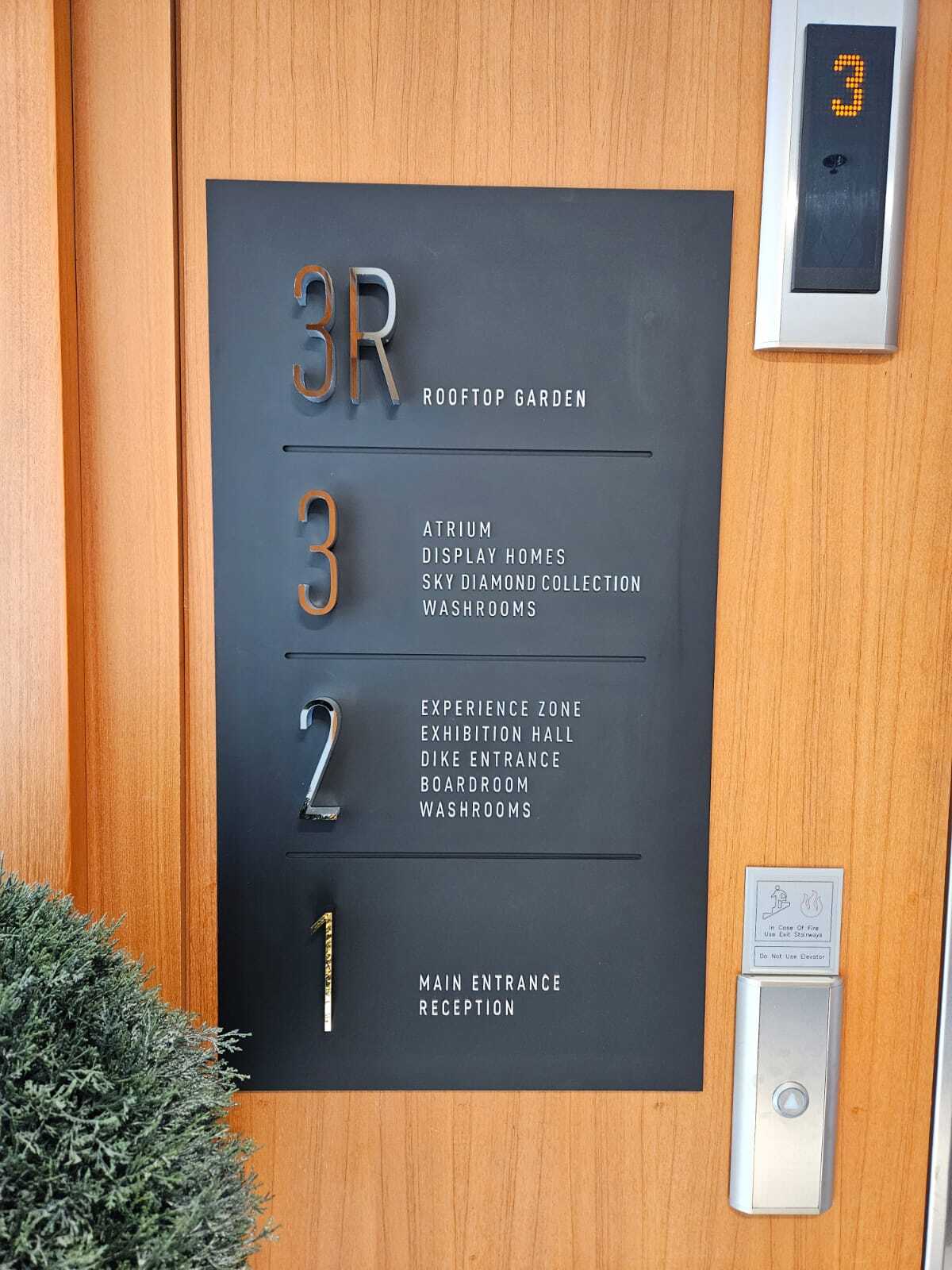
As the name suggests, this type of wayfinding sign lets you know where you are rather than indicating directions. These signs are used to point out specific rooms, departments, or structures, such as washrooms, conference rooms, elevator banks, staircases, and other common destinations that people are looking for.
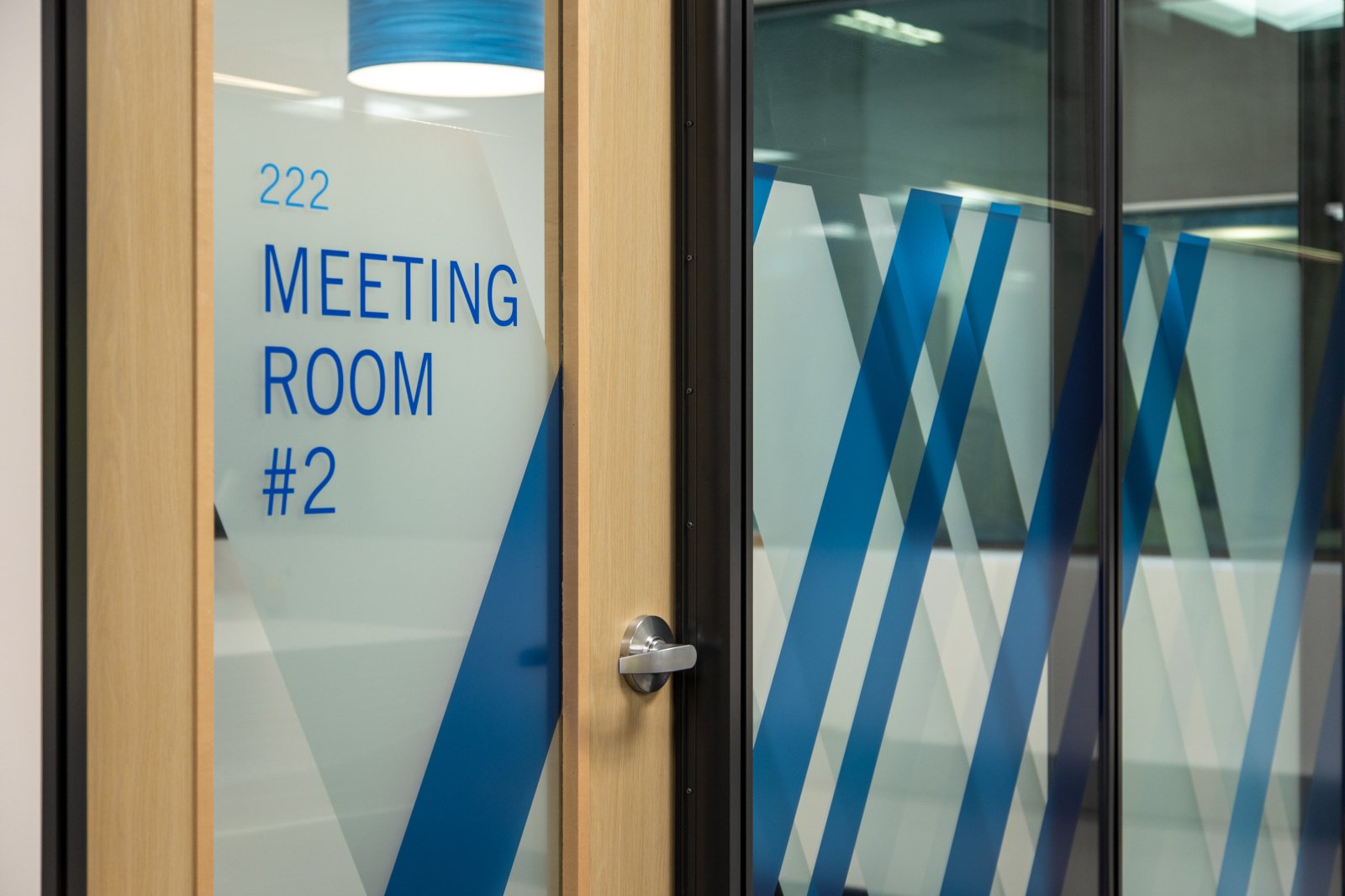
Examples of identification signs include door plaques that identify who or what is inside the room (such as a “Manager” sign, a departmental marker (such as a “Human Resources” sign at the entry to a building wing), or signs that show what level or floor of a building you are on.

Regulatory Wayfinding Signs
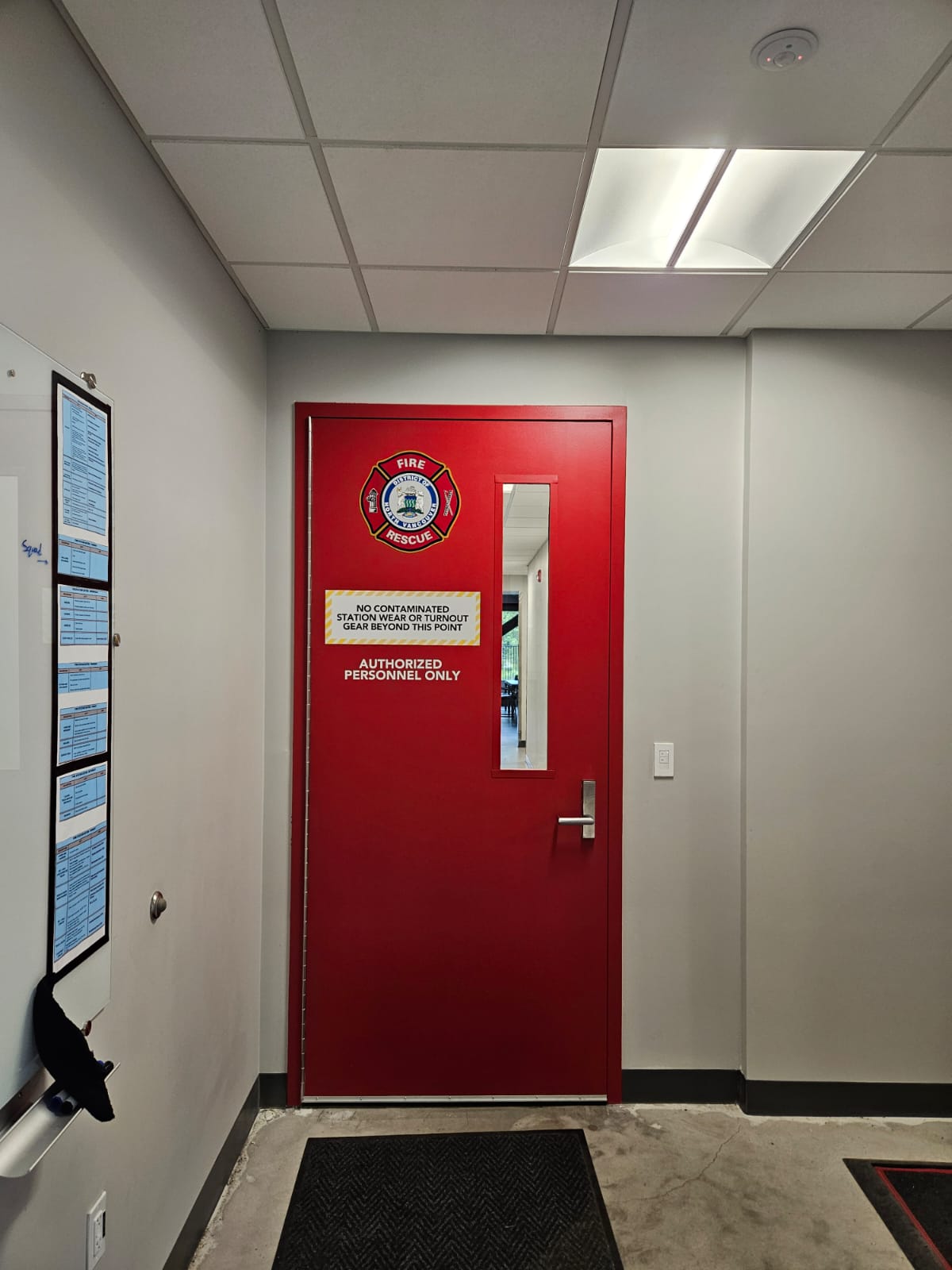
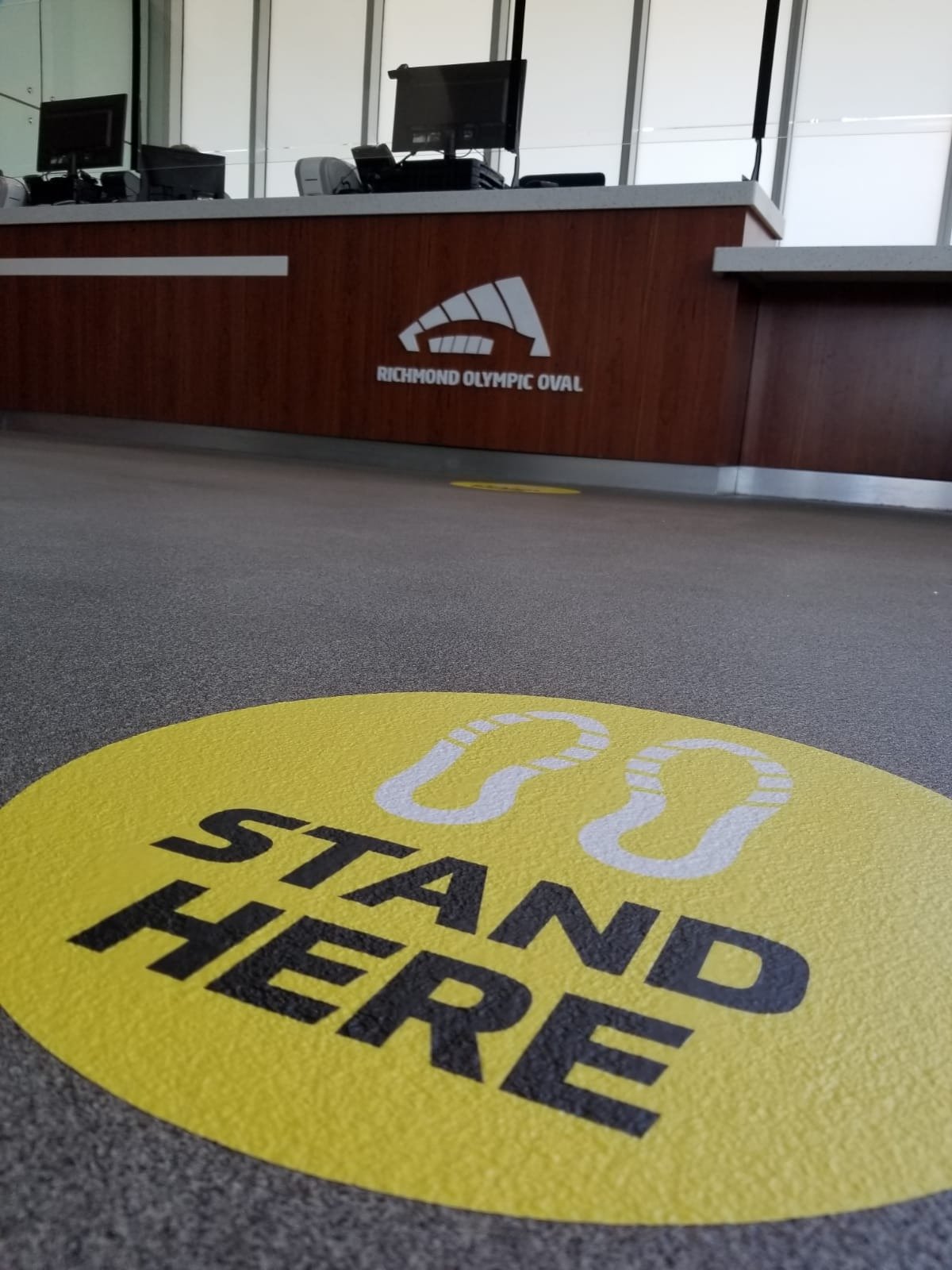
These signs display or reinforce rules to ensure that visitors to a facility have clear guidance on what is expected of them. Regulatory signs are used to warn visitors of things that are not allowed in certain areas, to remind workers of rules, and to inform visitors about off-limits areas. Because the main purpose is to display rules, these signs are often very simple and bold to ensure the message is clear.
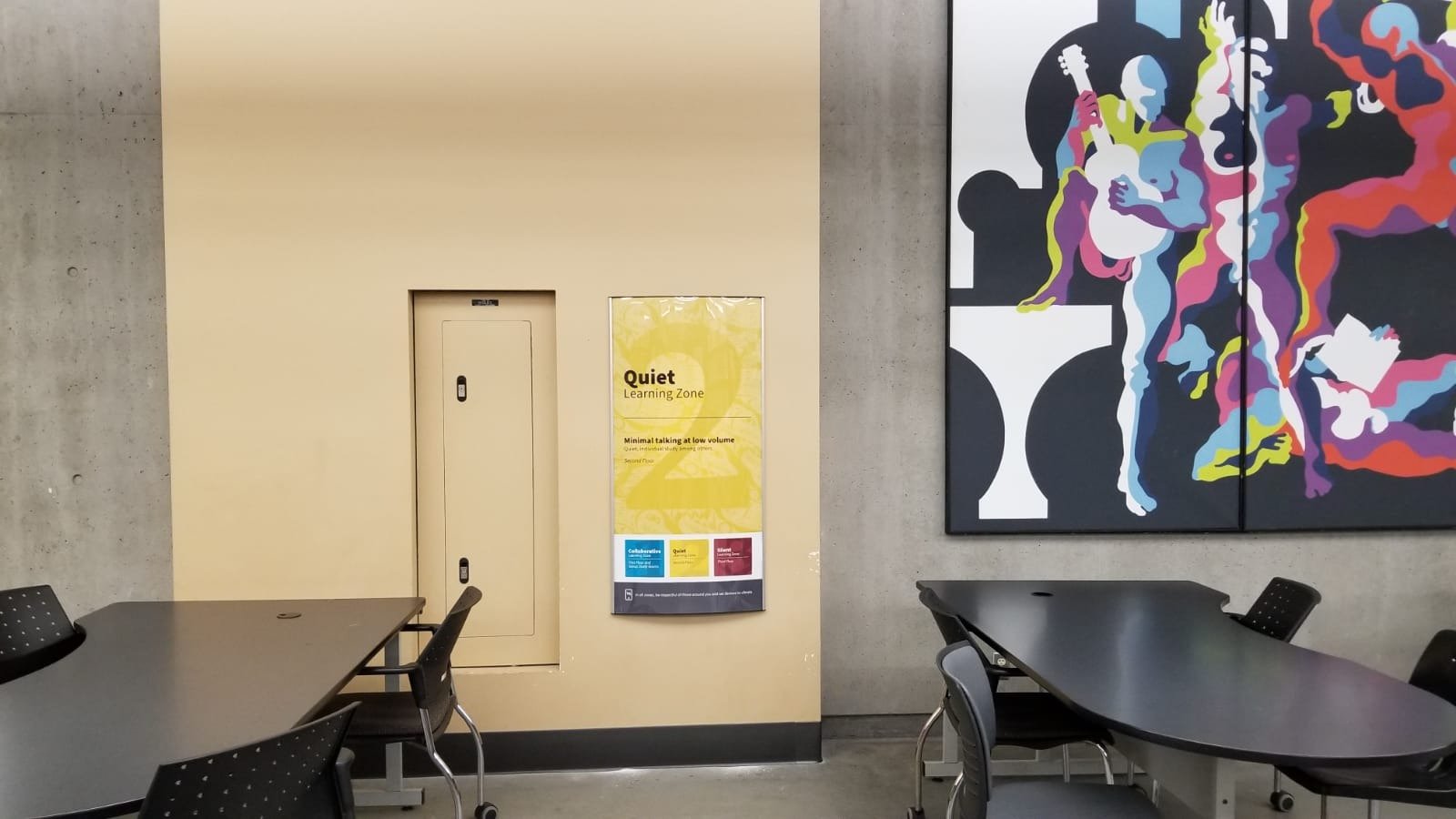
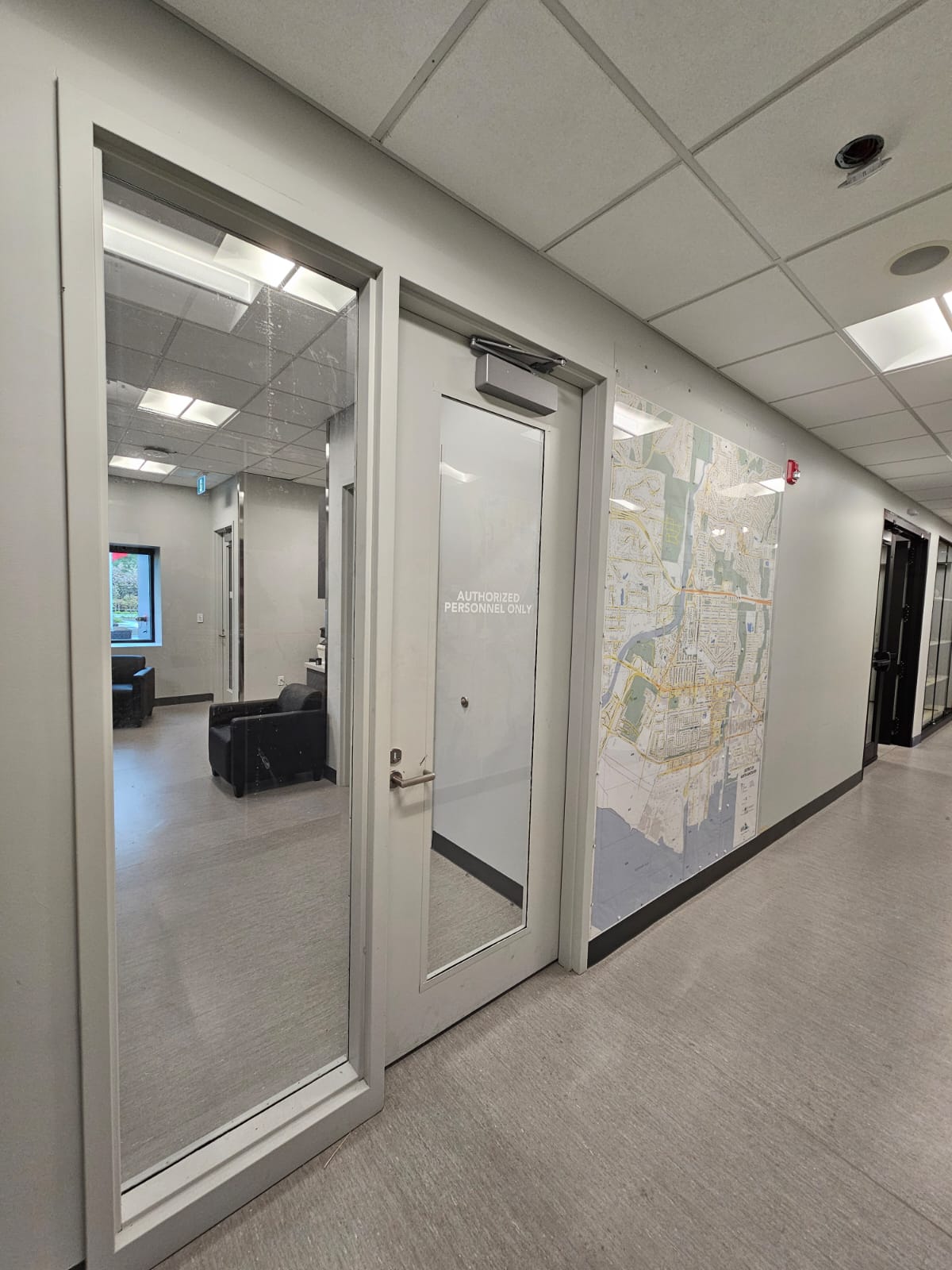
Common examples seen in public areas are “no smoking” signs that indicate where smoking is not allowed, images on parking stalls that indicate handicap parking, and “Staff Only” signs that indicate a restricted area within a facility.
Directional Wayfinding Signs
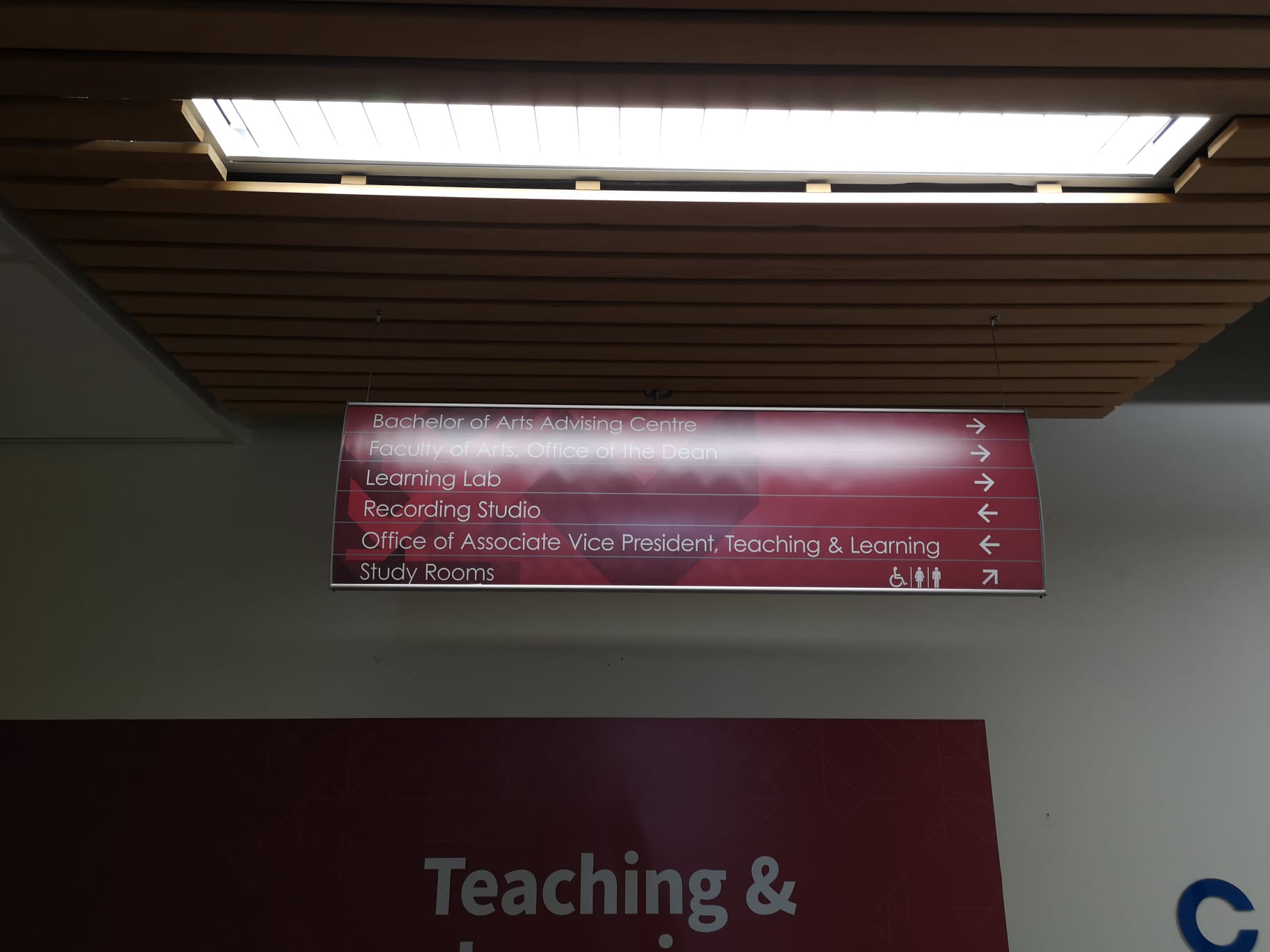
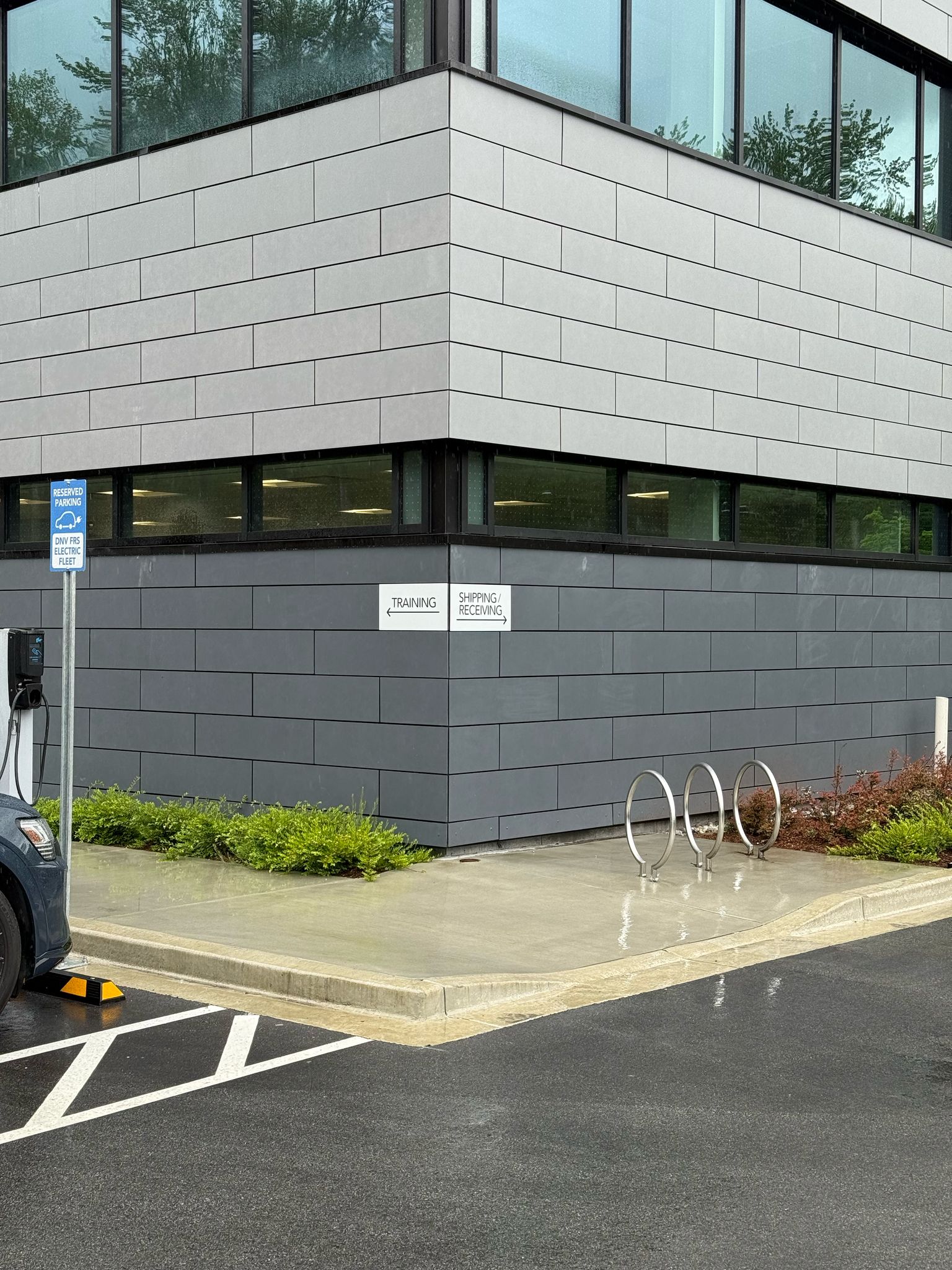
When you are thinking about how to find your way to a destination, this is probably the type of wayfinding sign that you think of. These signs are used along the way to help direct people to a particular place and often include arrows or directional language such as “x m ahead” or “turn right”. This type of signage should be strategically placed in a spot where someone might look for directions, such as at a junction where it is possible to go in several different directions.

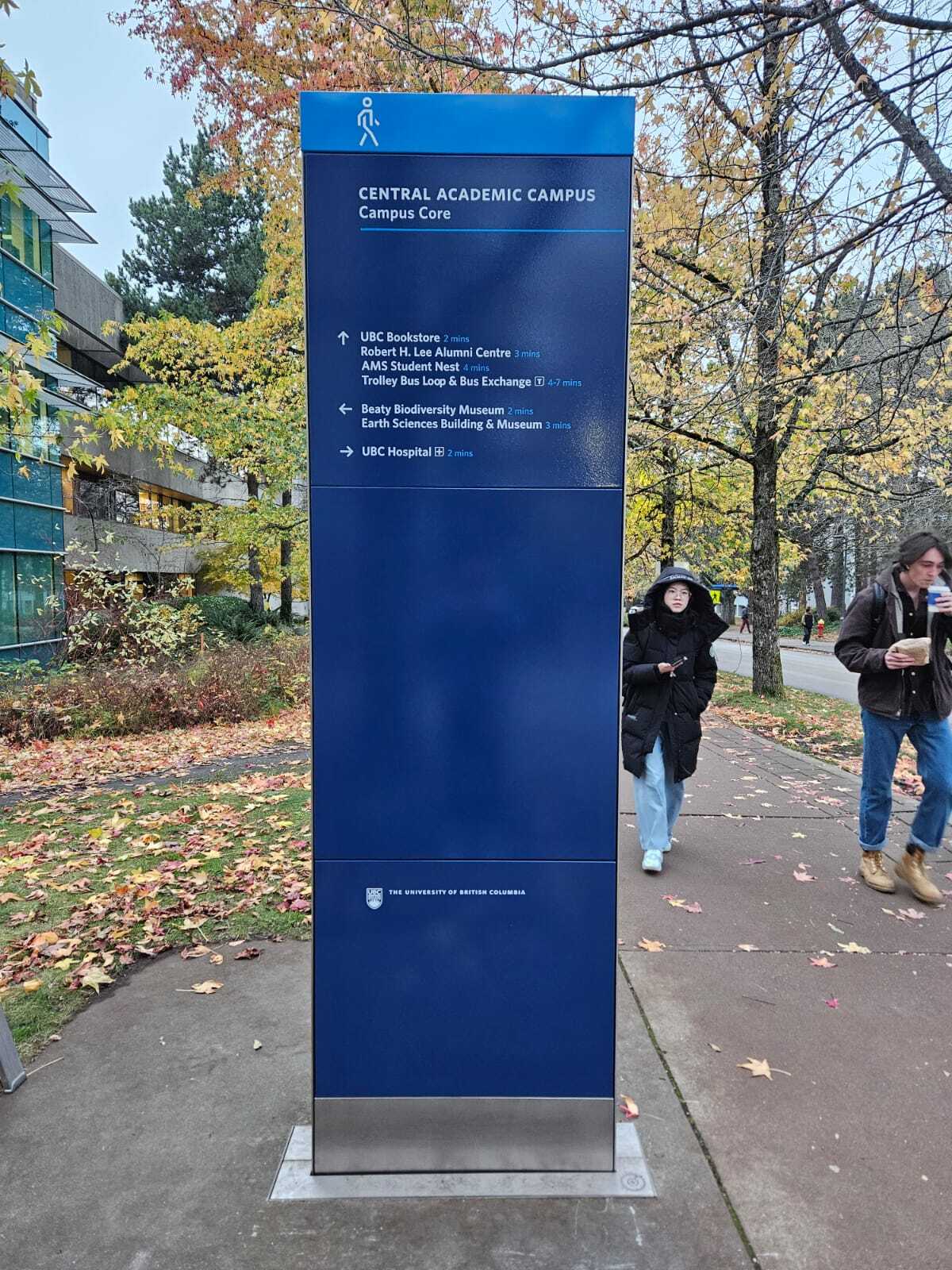
Examples of directional signage include monument signs that you might find at a mall entrance, plaza, or office building that indicates what level or wing different businesses are located in. Another example are hanging overhead signs that display potential destinations with arrows indicating the correct direction to take.
Informational Wayfinding Signs
Rather than pointing out specific directions, this type of signage provides crucial information about a facility that helps visitors in their overall experience and answers common questions that visitors may have. This type of information is best placed in an area where the maximum number of visitors will see it, such as near entrances, in lobbies, and waiting rooms, depending on the type of facility.
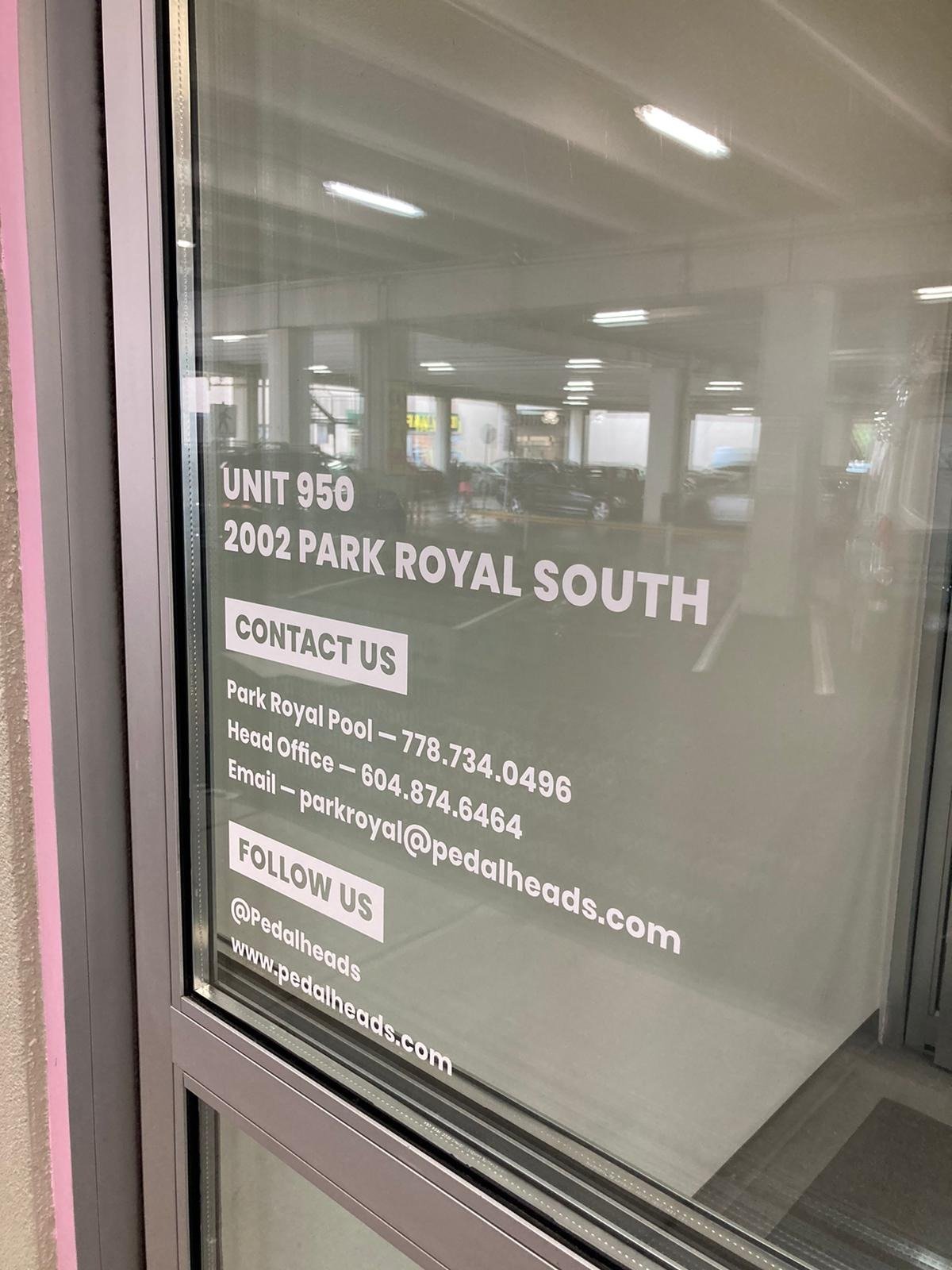
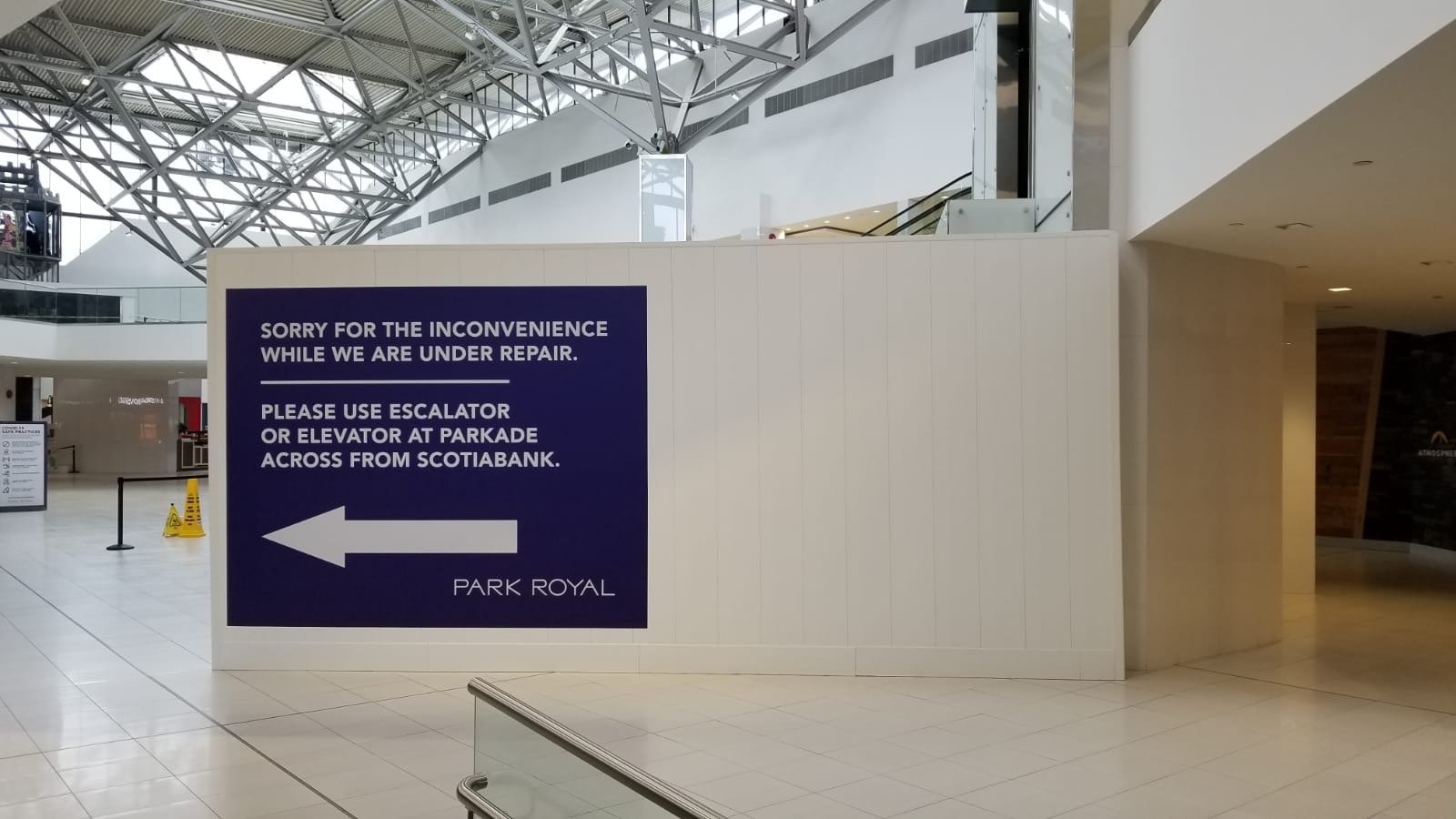
Examples of information signs include those that display amenities that are available, such as “free wifi” or baby changing areas. Other examples are signs that display hours of operation and other business information, or warning signs about an area of the building that is under renovation and should be avoided.
Benefits of Effective Wayfinding SignAGE
Thoughtfully designed wayfinding signs play a more important role in creating a satisfying experience for your clients and customers than you may think. Here are a few reasons why it’s worth working with a reputable company to design and install your wayfinding signage.
Ensure Your Visitors Have a Stress-Free Navigational Experience
Nobody likes feeling lost. Well-planned wayfinding systems help prevent confusion and frustration for your customers or clients. Doing all you can to ensure your target audience can confidently navigate to where they need to go shows respect for their time and makes it more likely they will return. An intuitive navigation experience also contributes to your business being perceived as more professional.
Improve Efficiency for Both Your Customers and Employees
We’ve all experienced the frustration of being in a rush and not being able to quickly find what we are looking for, especially in large, complex facilities such as malls, universities, or hospitals. Strategic wayfinding signage saves time for visitors by helping them find the shortest way to their destination and preventing needless detours.
Great signs also make a workplace more efficient by reducing the need for staff to constantly field questions from visitors about how to find something. Keeping foot traffic moving effectively also ensures a more pleasant work environment by minimizing congestion and distractions.
Enhance the Safety and Security of Your Facility
An excellent wayfinding signage system ensures that your staff, customers, or clients can efficiently navigate the space in an emergency. Clear regulatory and directional signage helps guide people to emergency exits and fire evacuation routes during incidents.
Present a Cohesive, Professional Brand Image
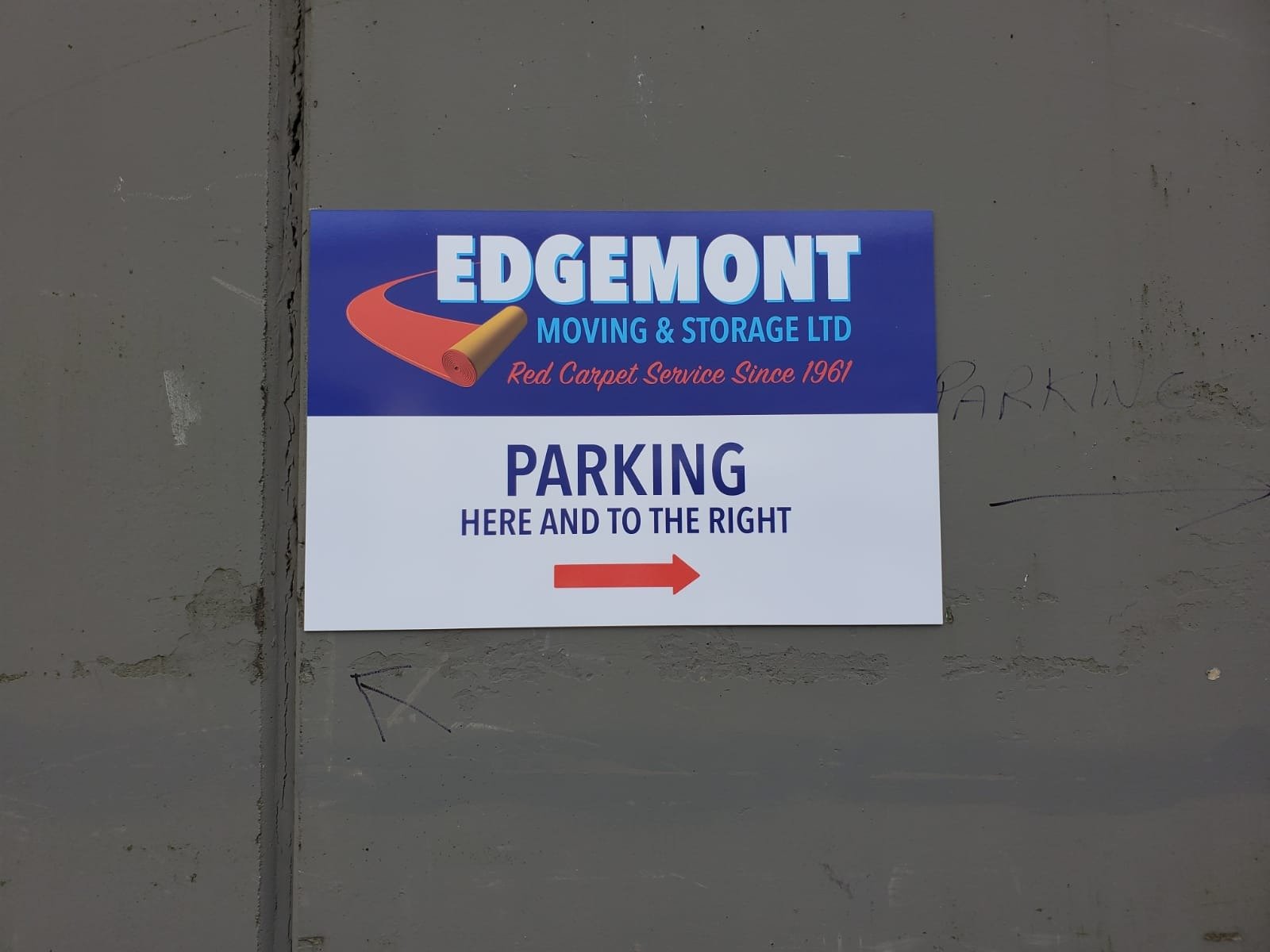
Custom-made wayfinding signs that use your brand colours and iconography reinforce your brand identity and project a professional image that builds trust in your business.
How to Design Effective Wayfinding Signage
It’s clear why wayfinding signage is so important to help users of a space navigate safely and efficiently. Here are essential questions to ask yourself as you plan your wayfinding signs to ensure your wayfinding system is bulletproof.
Is the messaging as clear as possible?
Wayfinding signage is all about improving the efficiency of navigation, which means people should be able to process information at a glance. Use simple words and phrases that anyone would understand.
Are my colour and font choices visible and consistent?
Psychology research shows that the human brain attempts to simplify and organize visual information to establish patterns that help us understand an environment. The strategic use of a few colours and consistent fonts can help people navigate more intuitively while also reinforcing your brand identity.
Is the sign placement strategic for maximum visibility?
Wayfinding signs should be installed at key decision points and intersections. This involves mapping out a space and anticipating where a first-time visitor may pause and consider what direction to take. Signs should be placed in well-lit and unobstructed areas.
Are my wayfinding signs as inclusive as possible?
Be aware of the diverse needs of your potential clients and customers, and ensure your signs can be helpful to all. This means using multiple languages where needed, large fonts that can be easily spotted, and creating signs that incorporate braille.
Will my wayfinding signage stand the test of time?
If you are installing outdoor wayfinding signs, ensure the materials are weatherproof for maximum longevity. Review your wayfinding system periodically to identify signs that need to be replaced or reorganized.
Wayfinding SignAGE in Vancouver, British Columbia, and Beyond
Are you ready to improve navigation in your space? Whether you need wayfinding signage for a new real estate development, a parking area, an educational facility, a healthcare setting, an office building, or a retail space, we can help. The skilled Can-Design team has years of experience designing and installing both informational and directional wayfinding signage that has a real impact on improving navigation through a space. Contact us today to learn more about how we can design and install attractive wayfinding signage to keep car and foot traffic moving efficiently in your space.