


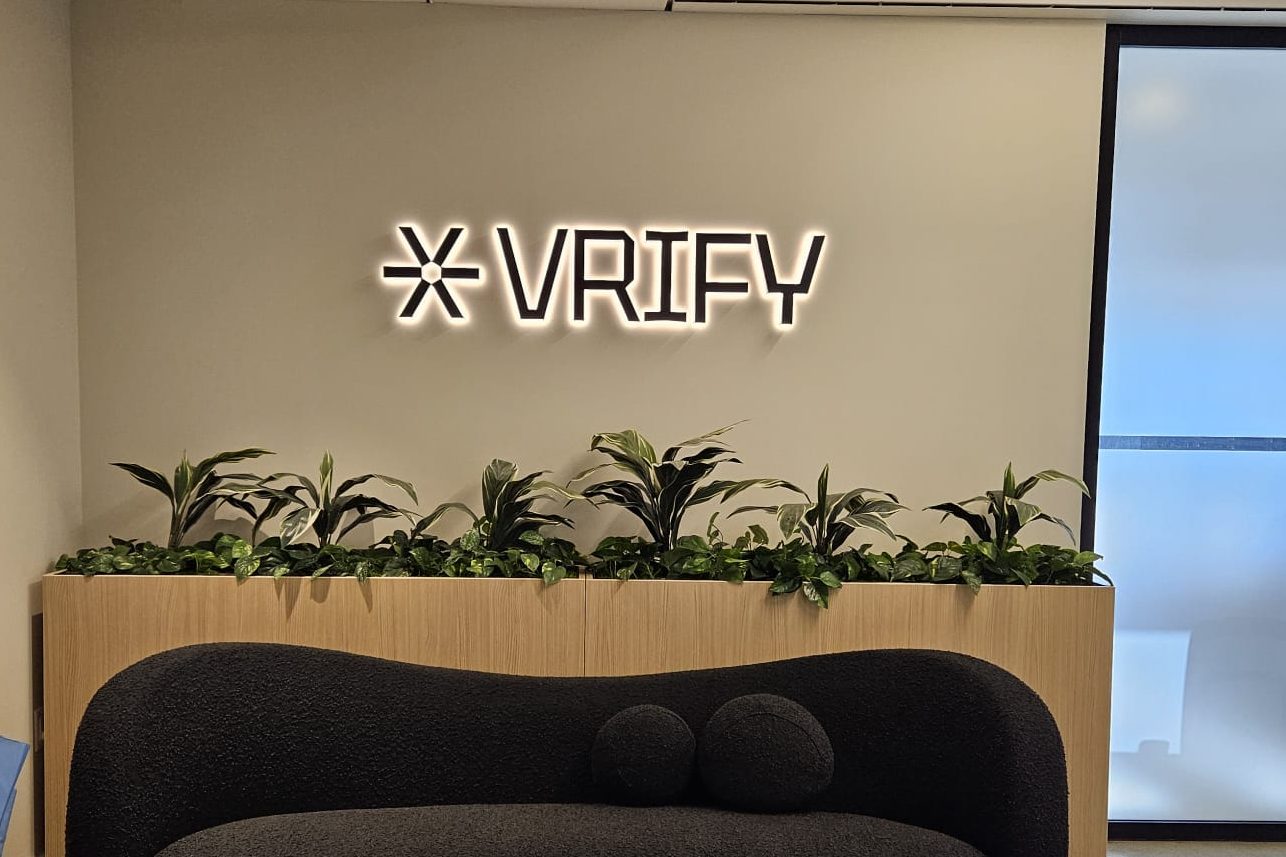
Physical architecture dictates corporate authority. In dense urban environments, a building’s exterior serves as its primary interface with the public, acting as a direct reflection of operational capability.
High-quality physical infrastructure functions as an objective proxy for corporate stability; when executed with precision, architectural elements transform a standard storefront into an institutional landmark.
Among these elements, custom illuminated signage is one of the most immediate drivers of consumer psychology, shifting a commercial facade from a passive marker to an active signal of prestige and permanence
The Psychology of the Illuminated Facade

Human visual processing prioritized light sources long before the advent of modern commercial districts.
In contemporary environments, this biological orientation translates into rapid, subconscious consumer assessments.
When a business invests in architectural-grade illumination, it signals capital strength, attention to structural detail, and operational longevity.
Conversely, unlit or poorly fabricated alternatives imply transience or marginal performance.
Precision lighting systems communicate premium positioning without over-reliance on aggressive marketing copy.
By establishing an authoritative presence on the streetscape, illuminated structures anchor a brand within the local geography, elevating consumer trust prior to any explicit point-of-sale interaction.
“A storefront’s material presentation dictates its perceived market segment. When engineered precisely, light acts as a structural asset that elevates asset value and consumer confidence simultaneously.”
Technical Typologies and Structural Signals
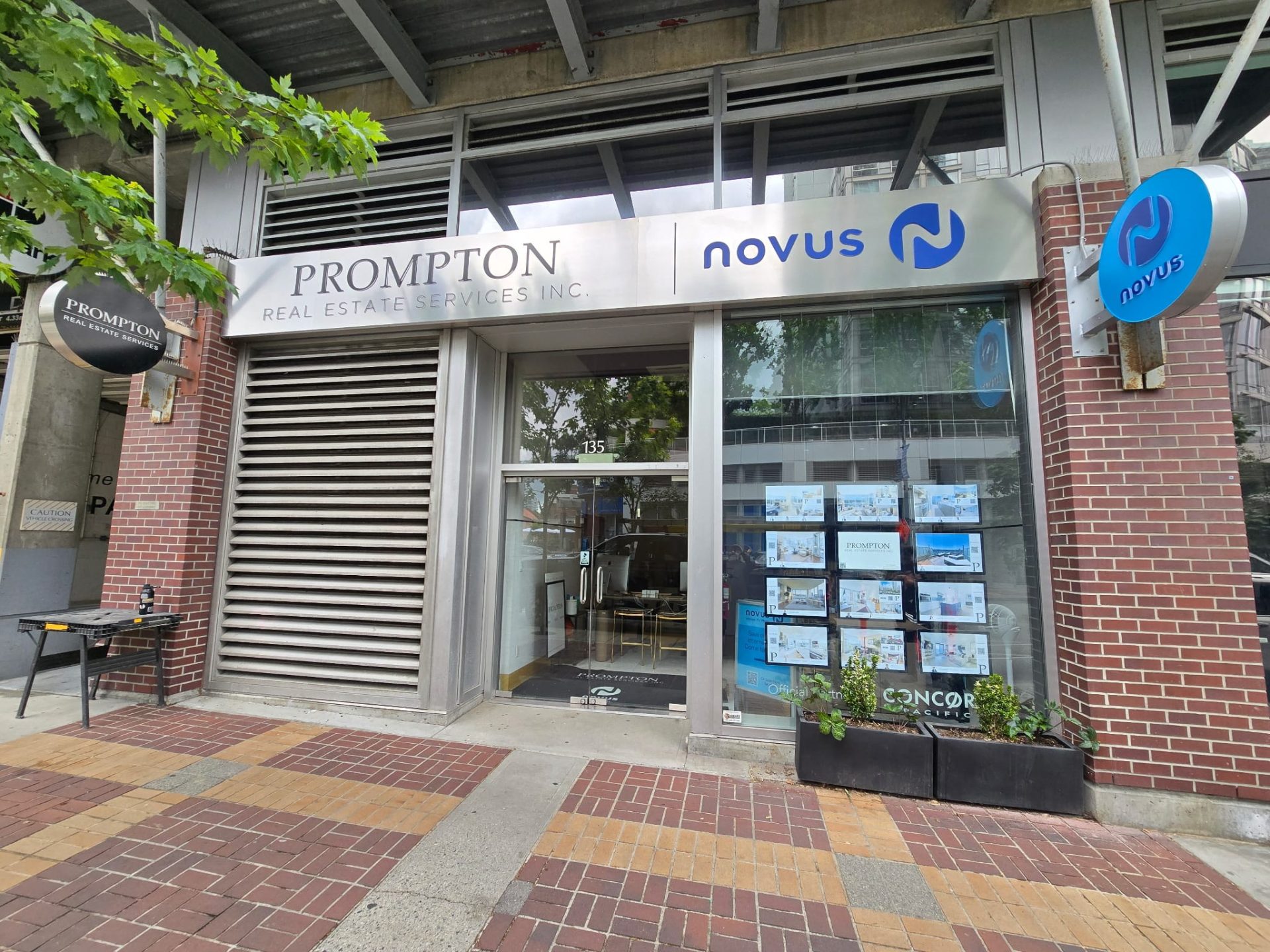
The choice of illumination method introduces specific stylistic variables that alter public perception. Engineering structural signage requires aligning these lighting profiles with the intended brand architecture:
Halo-Lit / Reverse Channel: LEDs direct illumination backward against the building facade, creating a soft silhouette or “halo” effect around opaque metal letterforms. This configuration signals understated luxury, architectural prestige, and corporate sophistication, making it ideal for professional institutions and high-end environments.
Front-Lit / Direct Channel: Light projects forward through translucent acrylic faces, bounded by durable aluminum returns for uniform color delivery. This approach establishes high visual authority, modern clarity, and absolute legibility at scale across busy commercial centers.
Push-Through Acrylic: Acrylic letterforms are routed to protrude through a hand-routed aluminum composite face, localizing the light output. This delivers a dimensionally complex profile, indicating custom engineering, precision fabrication, and elite craftsmanship.
The ROI of 24/7 Environmental Equity
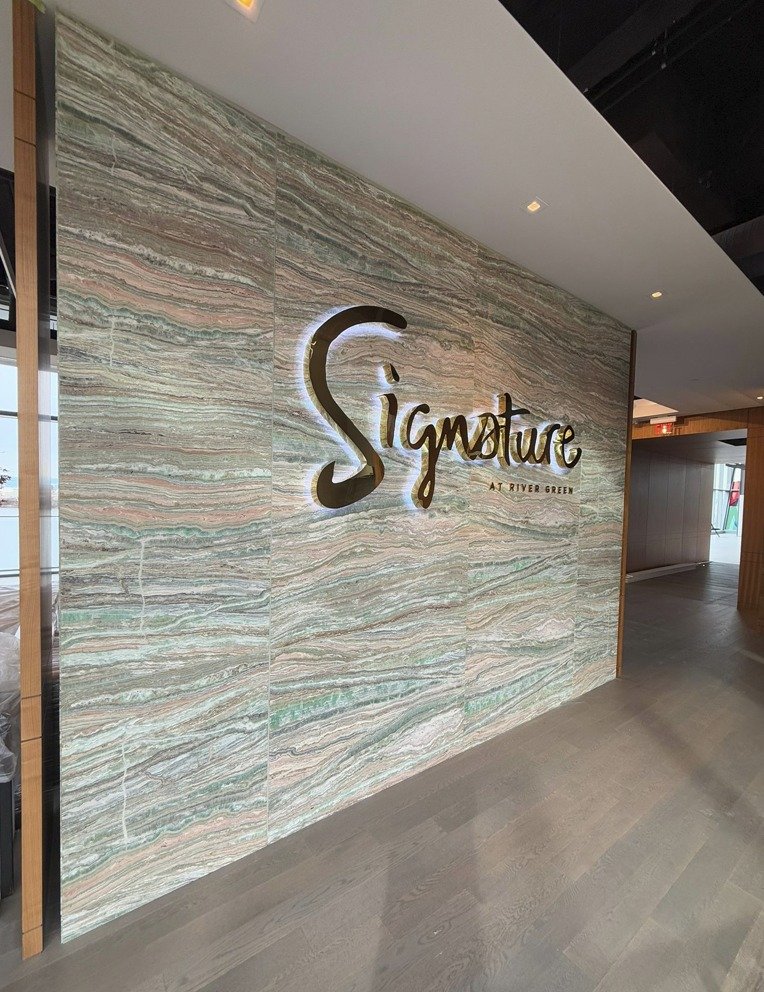
Commercial visibility is traditionally evaluated through recurring media costs, yet physical signage operates as a permanent capital asset.
While digital advertising campaigns require ongoing funding to maintain placement, structural signage leverages real estate to generate compounding impressions continuously.
When the standard business day concludes, an illuminated storefront remains active.
This continuous visual presence cuts through environmental and atmospheric noise, building localized brand equity twenty-four hours a day.
Over an operational lifecycle, the cost-per-impression metric of custom fabricated illumination outperforms temporary marketing channels, providing ongoing utility while cementing the brand’s place in the urban fabric.
Engineering and Architectural Integration
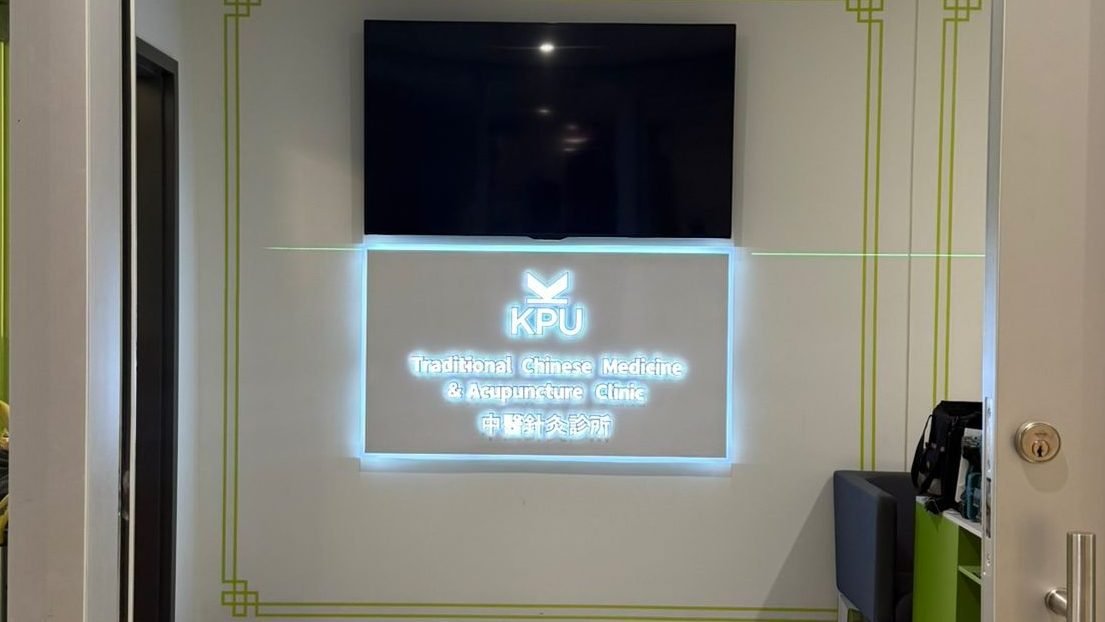
The execution of premium signage requires rigorous material selection and compliance with local environmental realities.
In regions characterized by heavy precipitation and shifting atmospheric conditions, such as the Pacific Northwest, engineering integrity is as critical as aesthetic design.
Fabricating durable assets demands architectural-grade metals, optimized thermal management for high-efficiency LEDs, and advanced acrylic diffusers that eliminate hotspots.
Furthermore, professional installation must account for building envelope protection, structural load distributions, and strict adherence to municipal sign bylaws.
Integrating signage cleanly into a facade ensures that the illumination appears as an organic component of the architecture rather than an uncoordinated afterthought.
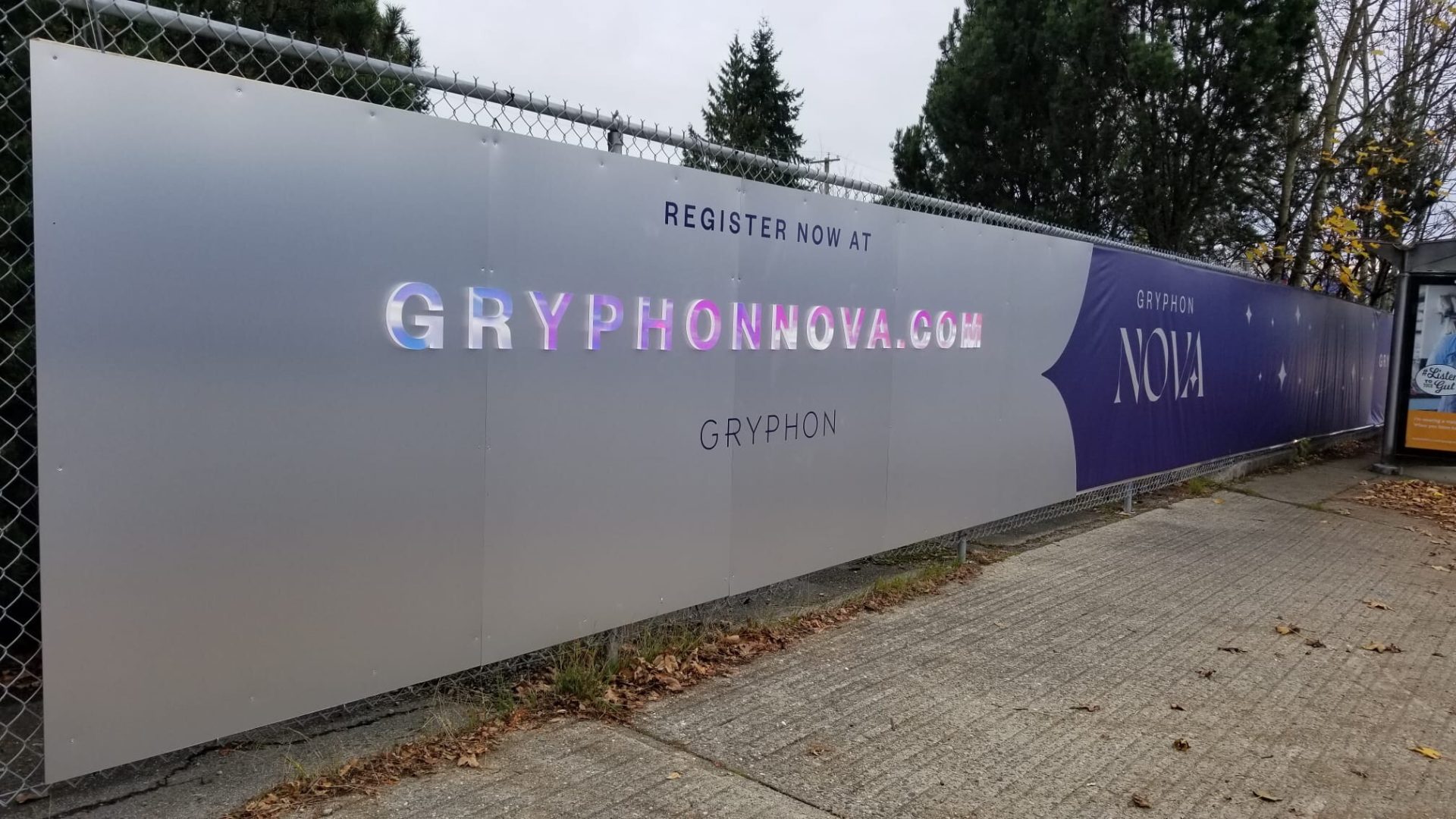
Cultivating Long-Term Asset Identity

Ultimately, illuminated signage represents a deliberate transition from baseline corporate identification to strategic environmental storytelling.
By treating lighting as a core structural element, businesses enhance their physical footprint, command higher premium perception, and secure permanent visibility within their markets.
Originally written for the Can-Design Insights Series. To discuss transforming your property into a local landmark, connect with our fabrication experts at [email protected].